
The Training Tools That I Recommend To Every Client (And Why)
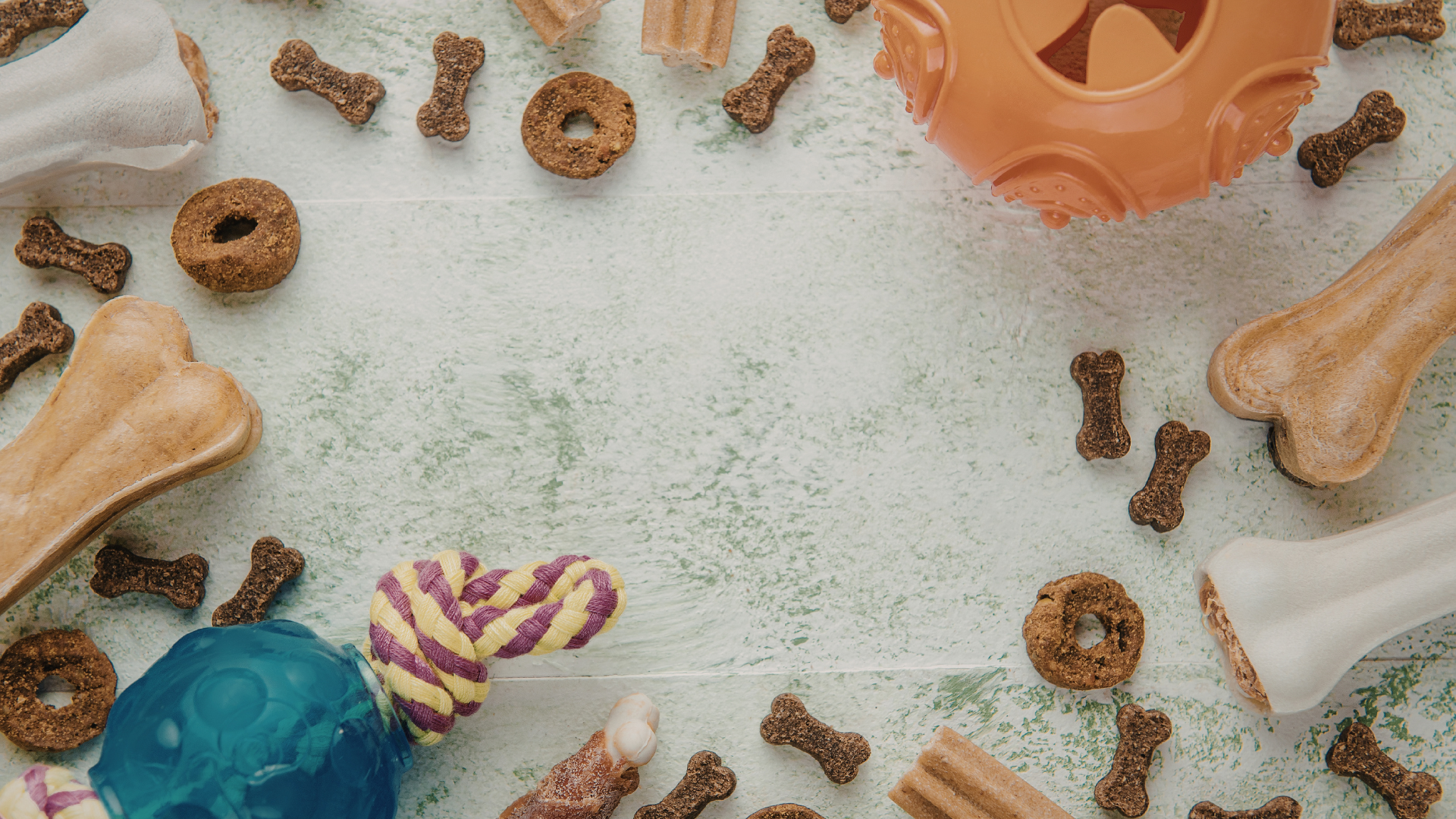
When you begin training with your dog, the tools you have in place from day one can shape how smoothly everything comes together.
Not because tools “fix” behavior—but because they directly impact how clearly you can communicate with your dog, how engaged your dog is in the process, and how smoothly training fits into your everyday life.
In my work, I’ve found that having the right setup in place makes everything else easier. It allows you to be more consistent, reward effectively, and create the kind of real-life results most people are looking for—calmer walks, better focus, and a more enjoyable day-to-day experience with your dog.
Over time, I’ve narrowed this down to a handful of go-to items that I consistently recommend and use in training.
Below is the exact list I recommend to help you feel confident and set up for success from the start.
Food Rewards
1.Fig & Tyler
My favorite brand for high-value treats is Fig & Tyler. They were created by pet parent who, like us, were overwhelmed by the vast number of treat choices, and had a problem finding something healthy and were made from recognizable ingredients. Their treats are made from 100% USDA-inspected meat and fish, and is made right here in the US. I usually recommend the “Trainer’s Pick”, which you can find here. Feel free to use the code “TL1308” for 10% off your first order.
2.The Real Meat Company
Another go-to lately is Air Dried Beef Recipe from The Real Meat Company. It has been one of my favorite Amazon finds. The bag lasts a long time, which makes it great for consistent training, and most dogs I work with find it highly rewarding, even in more distracting environments. It’s easy to break into small, training-sized pieces and I still feel really good about the ingredient quality.
3.Bark Pouch
Next on the list are the Bark pouches. These have been a game-changer for some of my pickier or less motivated clients. They feature unique recipes with ingredients like salmon and sardines, making them a great option for dogs with sensitivities to certain meats. Because they come in a pouch, they’re easy to lick, which helps dogs who might nip at fingers or simply need that calming sensation while being rewarded.
💡 Tip: Match the value of your treats to the environment—kibble at home, higher-value treats (like freeze-dried meat) for walks and distractions.
Toy Rewards
Tug-E-Nuff Toys
Tug-E-Nuff toys are my go-to for building engagement, recall, and motivation through play. They’re designed specifically for interactive training, which makes them incredibly effective for teaching your dog to focus on you—even in more distracting environments.
I often incorporate these into training sessions to:
Build stronger engagement and responsiveness
Reinforce recall (coming when called) in a fun, high-energy way
Provide an outlet for dogs who have a lot of drive or energy
I especially love their chaser toys for puppies, dogs who tend to jump, and dogs with a lot of energy—they give you a really natural way to redirect that excitement into something productive.
They’re also a great option for dogs who aren’t as food-motivated, or for moments when you want to bring more excitement into the training process.
👉 Shop here and get 10% off your order using THIS LINK.
💡 Play can be just as powerful as food—sometimes even more so—when it comes to building a strong relationship and reliable behaviors.
Enrichment Tools
* Easy to prepare and great for promoting calm—licking has a naturally soothing effect and can help your dog settle more easily.
* Easier to stuff and, for most dogs, easier to get the food out of—making it a great starting point when introducing food-dispensing toys or feeding meals this way.
*A classic enrichment toy that encourages engagement, problem-solving, and chewing—great for keeping your dog occupied in a productive way.
These are some of my favorite tools for creating calm moments throughout the day while also giving your dog a productive outlet for their energy. Instead of relying on constant physical exercise, enrichment allows your dog to think, problem-solve, and self-soothe—which is just as important.
I often incorporate these to:
Encourage calm behavior and relaxation
Reduce boredom and prevent unwanted behaviors
Create positive associations with everyday situations
They’re also incredibly helpful for things like grooming, crate time, or preparing your dog for new experiences (like baby prep or visitors), since licking and chewing can have a naturally calming effect on
💡 I especially use these during real-life moments—when guests are coming over, during downtime at home, while you’re working, or anytime you need your dog to settle and relax.
Tip: Freeze these toys to make them last longer and increase the challenge.
What to use inside: Kibble, yogurt, broth, peanut butter, or other smearable options work great depending on your dog’s preferences.
Treat Pouches
1.Wilderdog Treat Pouch*
*I like this one because it’s spacious and can hold a greater amount and variety of treats, along with essentials like poop bags and a few personal items—making it a great all-in-one option for longer walks or training outings.
2.Amazon Treat Pouch Option*
*A more affordable, no-frills option that’s easy to bring on walks and simple to clean—great if you’re looking for something functional and straightforward.
A treat pouch might seem like a small detail, but it makes a big difference in how effective your training feels day to day. When rewards are easy to access, you’re able to mark and reinforce behaviors in real time—which is what helps your dog clearly understand what’s working.
I recommend having a dedicated pouch that you can quickly grab before walks, outings, or training sessions so it becomes part of your routine—not something you have to think about each time.
I personally look for pouches that:
Are easy to open and close with one hand
Stay secure and comfortable to wear
Hold enough treats for longer walks or busier environments
💡 When treats are easy to access, you’ll naturally reward more often—and that consistency is what accelerates learning and creates lasting results.
Long Line (15’)
15-Foot Training Leash
This is one of the most valuable tools for building a reliable recall while still giving your dog a sense of freedom. A long line allows your dog to explore, sniff, and move more naturally—while you still have the ability to guide, interrupt, and reinforce behaviors in real time.
I use long lines to:
Safely practice recall (coming when called)
Work on engagement and check-ins at a distance
Allow more freedom without the risks of being fully off-leash
It’s especially helpful in open spaces like parks, trails, or quieter areas where you want to start bridging the gap between structured walks and off-leash reliability.
💡 Think of this as a stepping stone—not a restriction. It gives your dog more freedom while still setting both of you up for success.
Harnesses
1. Blue-9 Balance Harness*
* I especially like this option because it doesn’t go over the dog’s head, which can be a great choice for dogs who are sensitive to that feeling.)
2. Ruffwear Harness*
*I love the Ruffwear harness for its sturdiness—it’s built to handle active dogs and longer adventures.
A well-fitted harness can make a significant difference in how your walks feel—for both you and your dog. Instead of relying on pressure around the neck, a harness distributes that pressure more comfortably across the body, which helps create a smoother and more positive walking experience.
I often recommend harnesses with a front-clip option, as they can help reduce pulling and give you clearer, more gentle communication—especially while your dog is still learning how to walk on a loose leash.
When choosing a harness, I look for:
A secure, adjustable fit that doesn’t restrict movement
Front-clip and/or back-clip attachment options
Comfortable materials that your dog can wear for longer outings
💡 A properly fitted harness helps reduce tension on walks, supports better movement, and makes your communication clearer—so your dog can more easily understand what you’re asking.
Portable Mats
1.MuttMats*
*I’ve been using these for years—they’re sturdy, lightweight, and easy to take anywhere with you. They’re also nicely cushioned for comfort and simple to clean, which makes them ideal for both home use and outings.
2.Amazon Mat Option*
*A similar waterproof outdoor mat that’s easy to bring with you wherever you go—great for creating a consistent “place” in different environments.
A designated mat or “place” is one of the most impactful tools you can introduce early on. It gives your dog a clear, consistent spot to settle, which makes it much easier to guide calm behavior both at home and out in the world.
I use mats to:
Teach your dog how to relax on cue
Build duration and impulse control
Create structure in busy or stimulating environments
Mats also become a familiar “anchor” for your dog—something they recognize and associate with calm, predictable behavior, even in new places.
💡 This is one of the key skills we build for real-life success—whether that’s at home, at a coffee shop, at a brewery, or when guests are over.
Over time, this becomes less about the mat itself and more about your dog learning how to settle anywhere.
Final Note
You don’t need everything at once—start with:
✔ High-value treats
✔ A treat pouch
✔ A harness
Then layer in enrichment, place training tools, and the long leash as we progress.
Wrap-Up
At the end of the day, the tools themselves aren’t what create the transformation—it’s how you use them.
Each of these items is designed to support clearer communication, better timing, and more consistency in your training—all of which help your dog understand what you’re asking and feel successful in the process.
Start simple, stay consistent, and focus on building skills in a way that fits into your everyday life. That’s where the real progress happens—and that’s how you create a dog who can confidently navigate the world with you.
A Couple Of Additional Resources:
My list of recommended interactive and food-dispensing toys necessitated its own blog post, which you can find here.
For more information about enrichment, check out our podcast episode below!