The Family Pupz Blog
The Family Pupz
Guide To Life With Dogs
Practical advice, thoughtful insights, and modern positive training approaches designed to help dog parents raise calm, confident dogs while navigating the everyday realities of life together — from walks and socialization to family life, city living, and the small moments that shape a dog’s behavior over time.
If you talk to enough dog parents, you’ll start to notice a pattern. Many of them quietly carry a feeling that they might not be doing enough. Maybe they should be training more. Maybe their dog should already know certain things. Maybe other dogs are calmer.
Maybe other dog parents seem to have things more figured out.
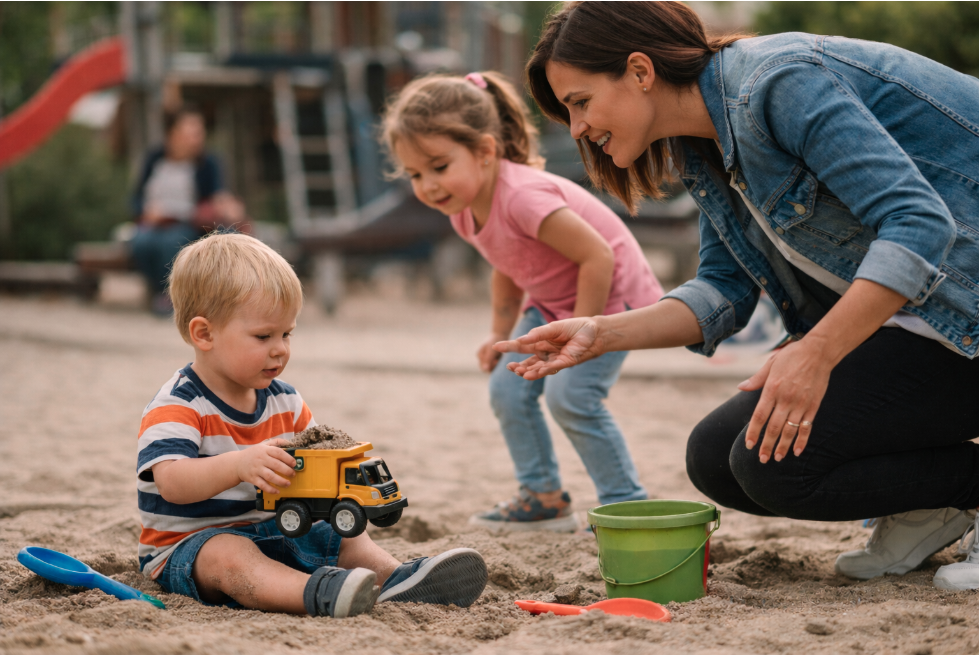
There’s a moment that happens at playgrounds everywhere. A toddler finds something interesting — a truck, a shovel, a bucket. They pick it up. They start exploring it. Another child walks over. And almost immediately, the parent steps in: “I think the other child wants to play too. You should share.”
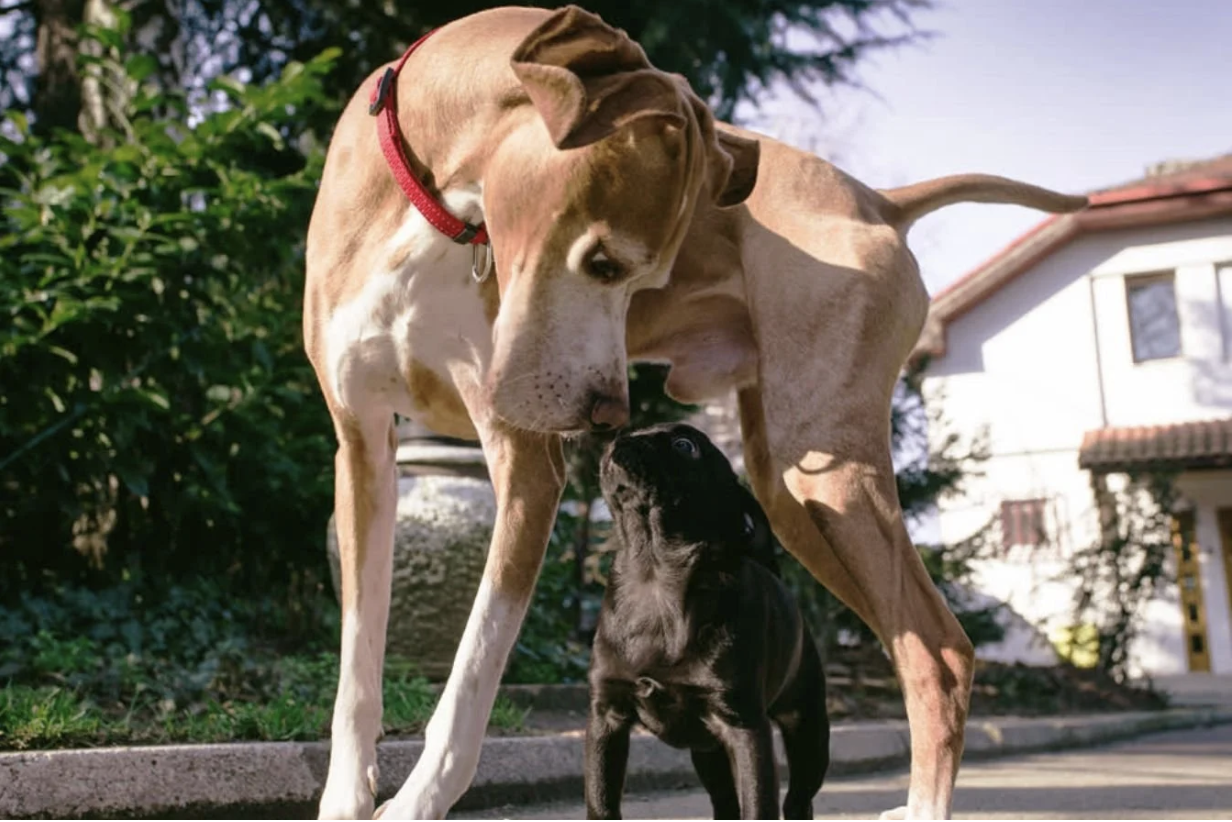
You see another dog approaching. Your puppy gets excited. And the other dog parent asks: “Does your puppy want to say “hi”? My dog’s super friendly!”
Spend time around toddlers and you start to notice something strange. Parents everywhere are seemingly speaking in the exact same way: “Come on…”; “Do you want to put your shoes on?”; “Should we go brush our teeth?”; “Let’s gooo.”
One of the most common questions new puppy parents ask is: “When should I start training my puppy?” Many people assume training begins once the puppy is older. But in reality, training starts the moment your puppy arrives home.
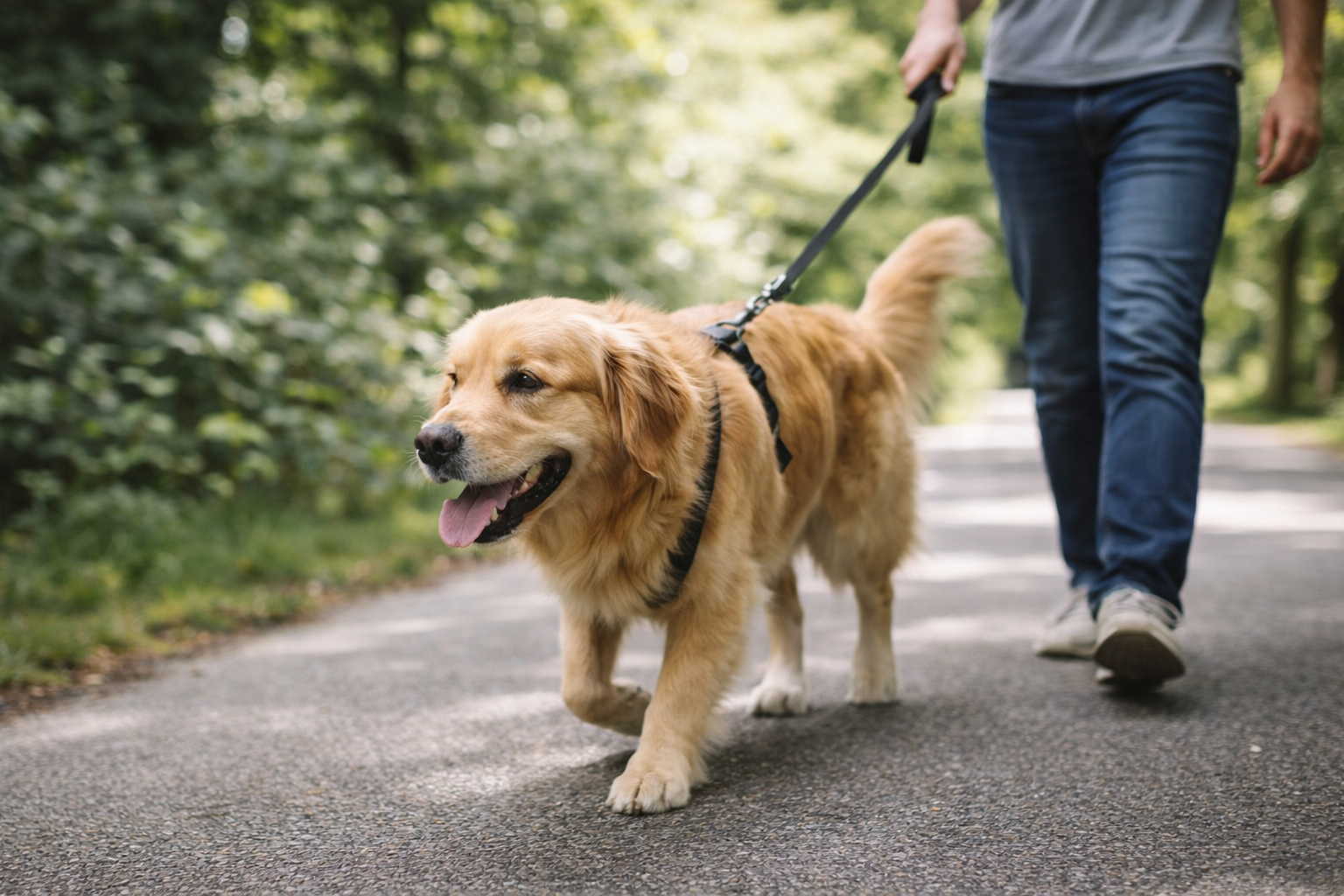
One of the most common questions people ask during walks is: “Is it bad if my dog walks in front of me?” Many dog owners have heard that letting a dog walk ahead means the dog is trying to assert dominance or take control of the walk.
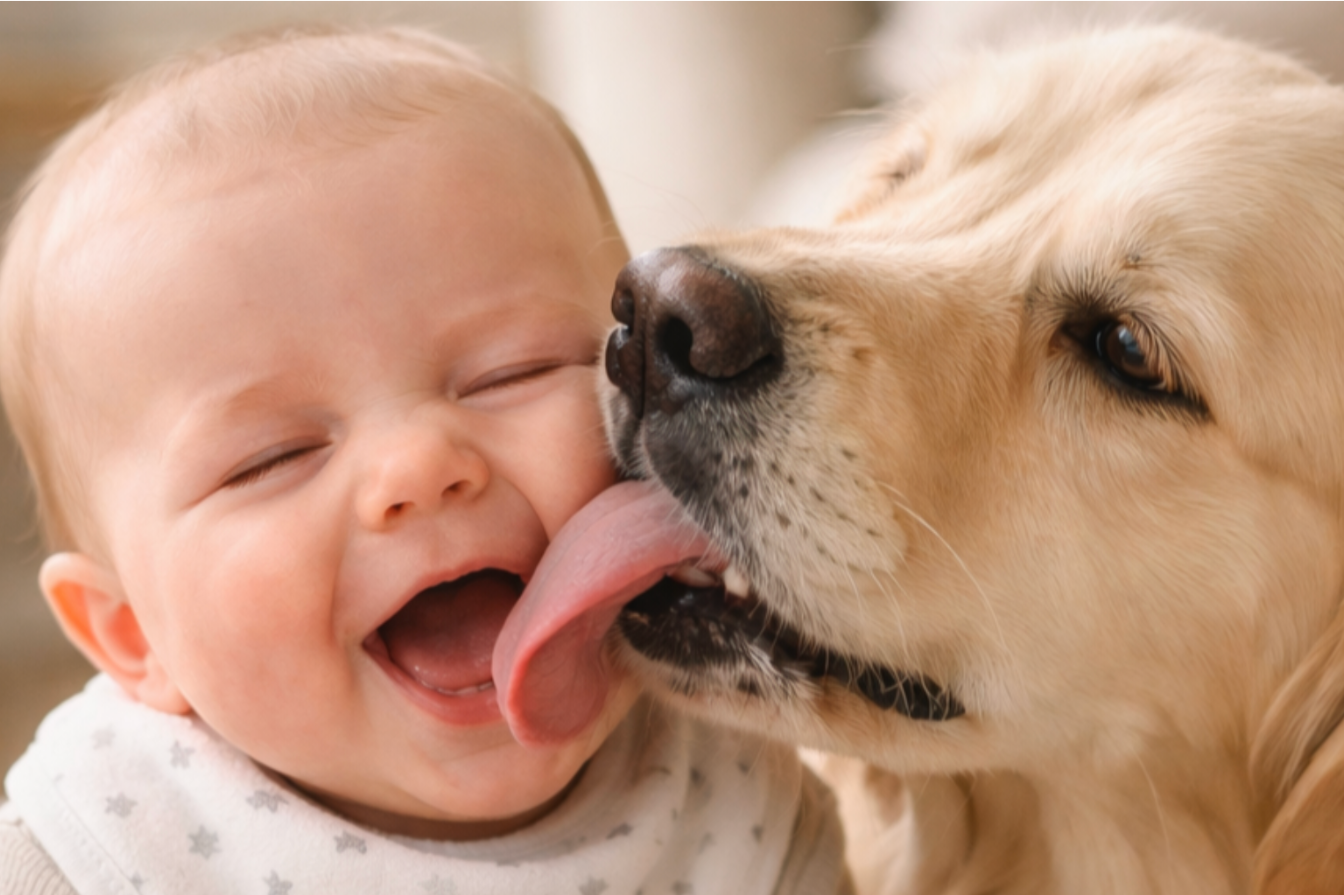
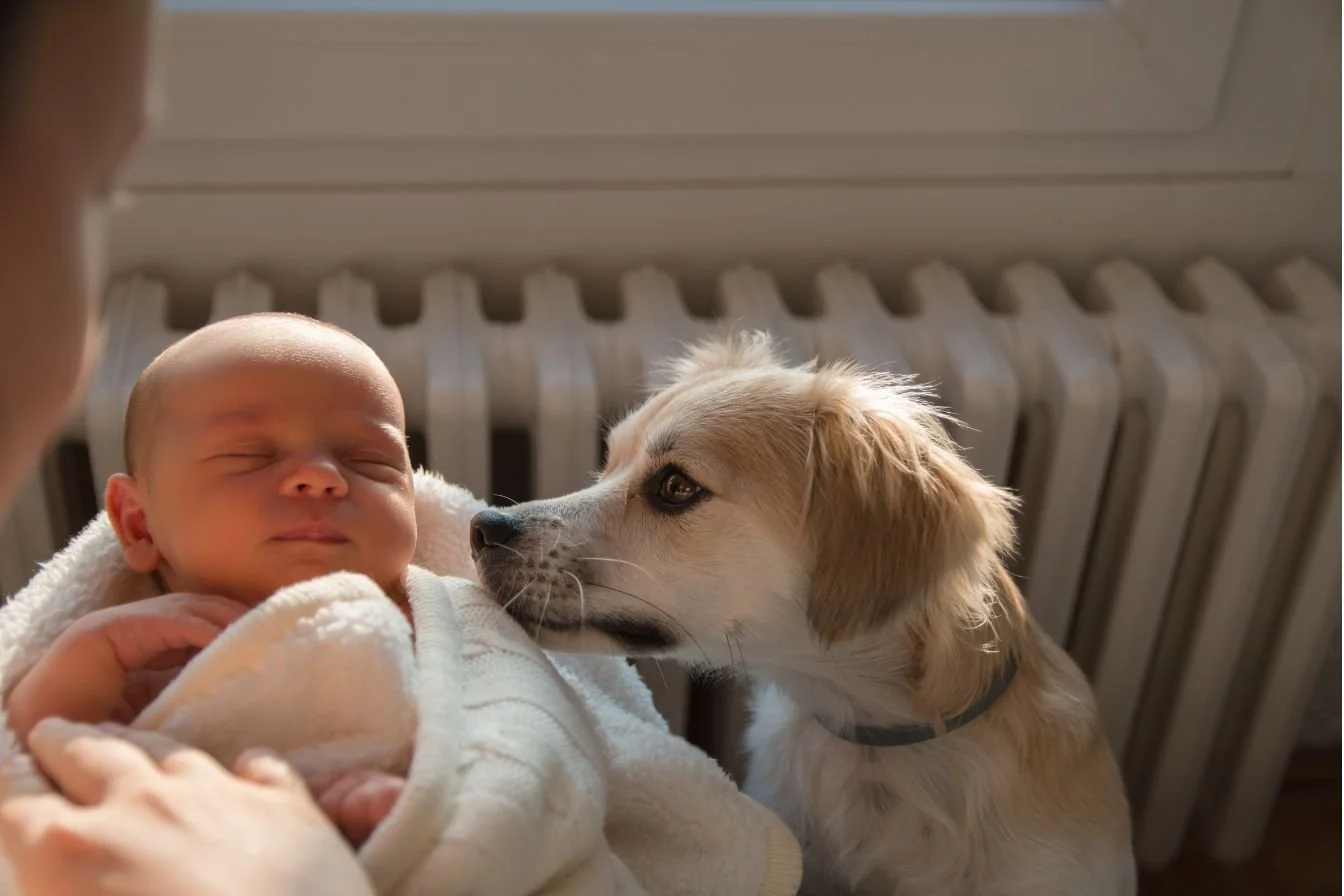
It’s a moment that often happens quickly. Your dog walks over, leans in, and gives the baby a big lick across the face. Some parents laugh. Others panic. So what’s the right response?
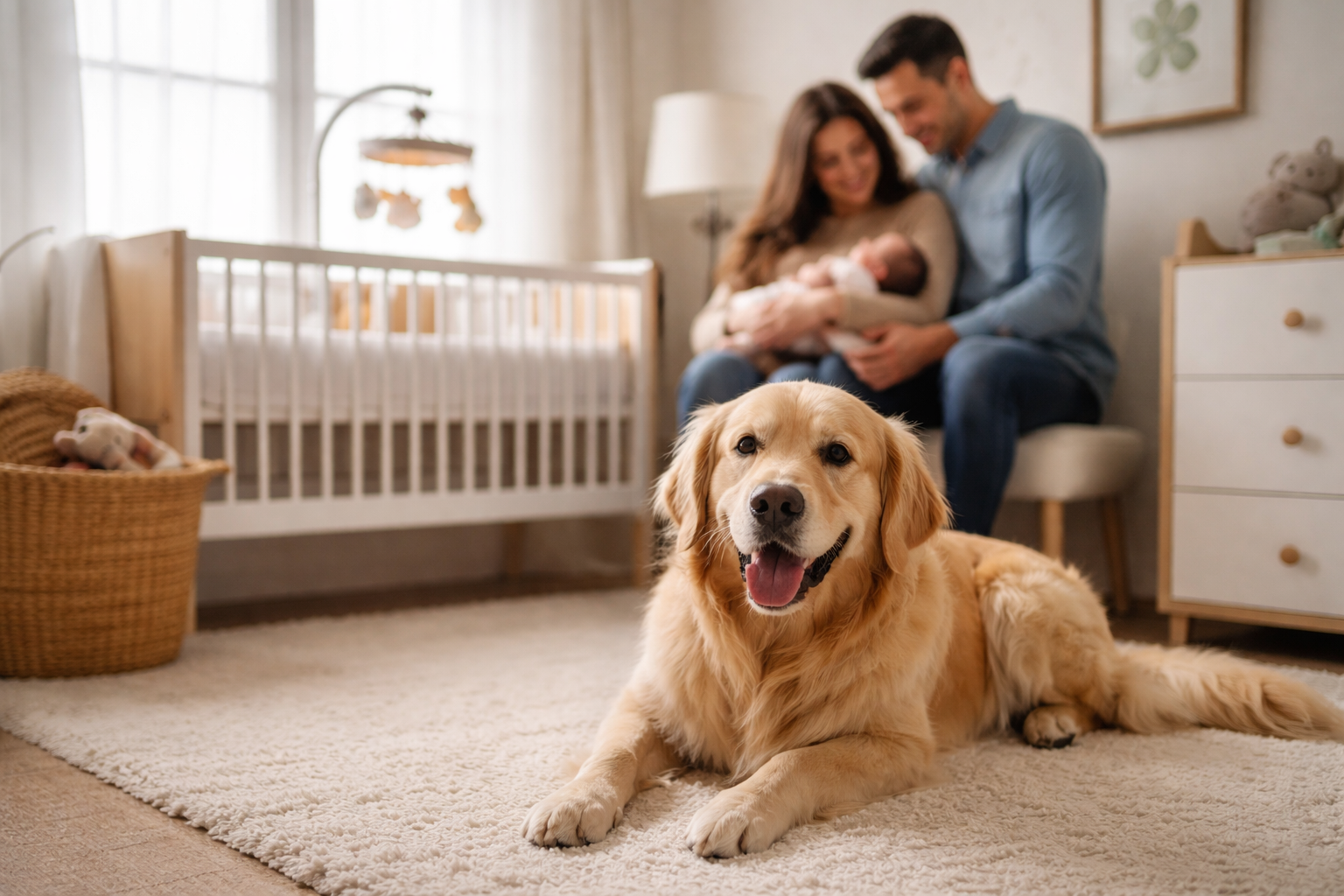
When a new baby arrives, many parents suddenly start thinking about parts of the house that used to feel completely ordinary. The nursery becomes one of those spaces. And a common question comes up quickly: Should my dog be allowed in the baby’s room?
Many parents notice a change in their dog after bringing a baby home. The dog that used to get all of your attention now watches as most of your time goes toward feeding, holding, and caring for the baby. So it’s natural to wonder: Is my dog jealous?
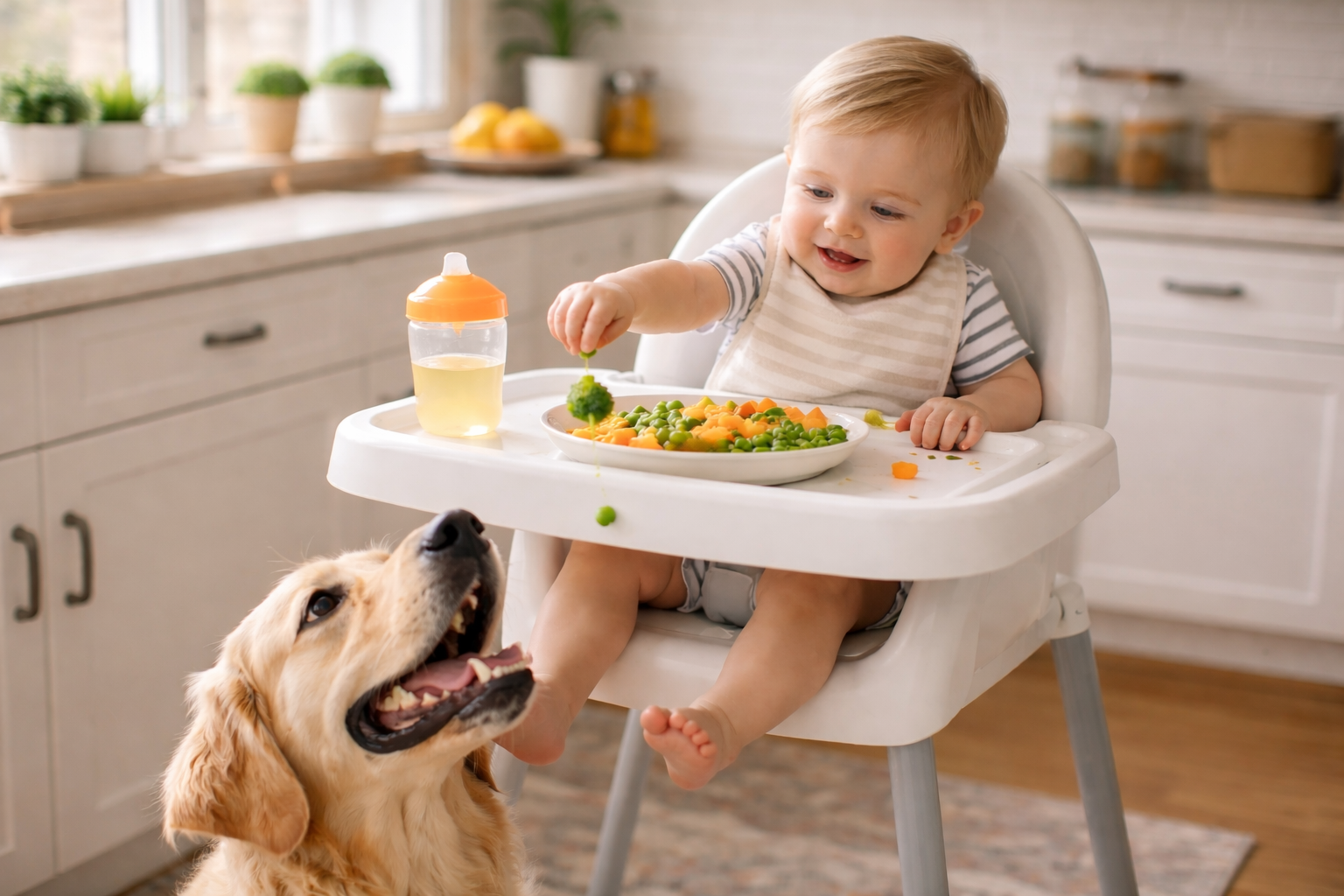
For many dogs, this is the moment they’ve been waiting for. The baby moves into the high chair stage, food begins appearing on the floor, and suddenly your dog discovers what feels like a magical new buffet. From the dog’s perspective, the baby may seem like the most generous person in the house. From the parent’s perspective, it can quickly become chaotic.
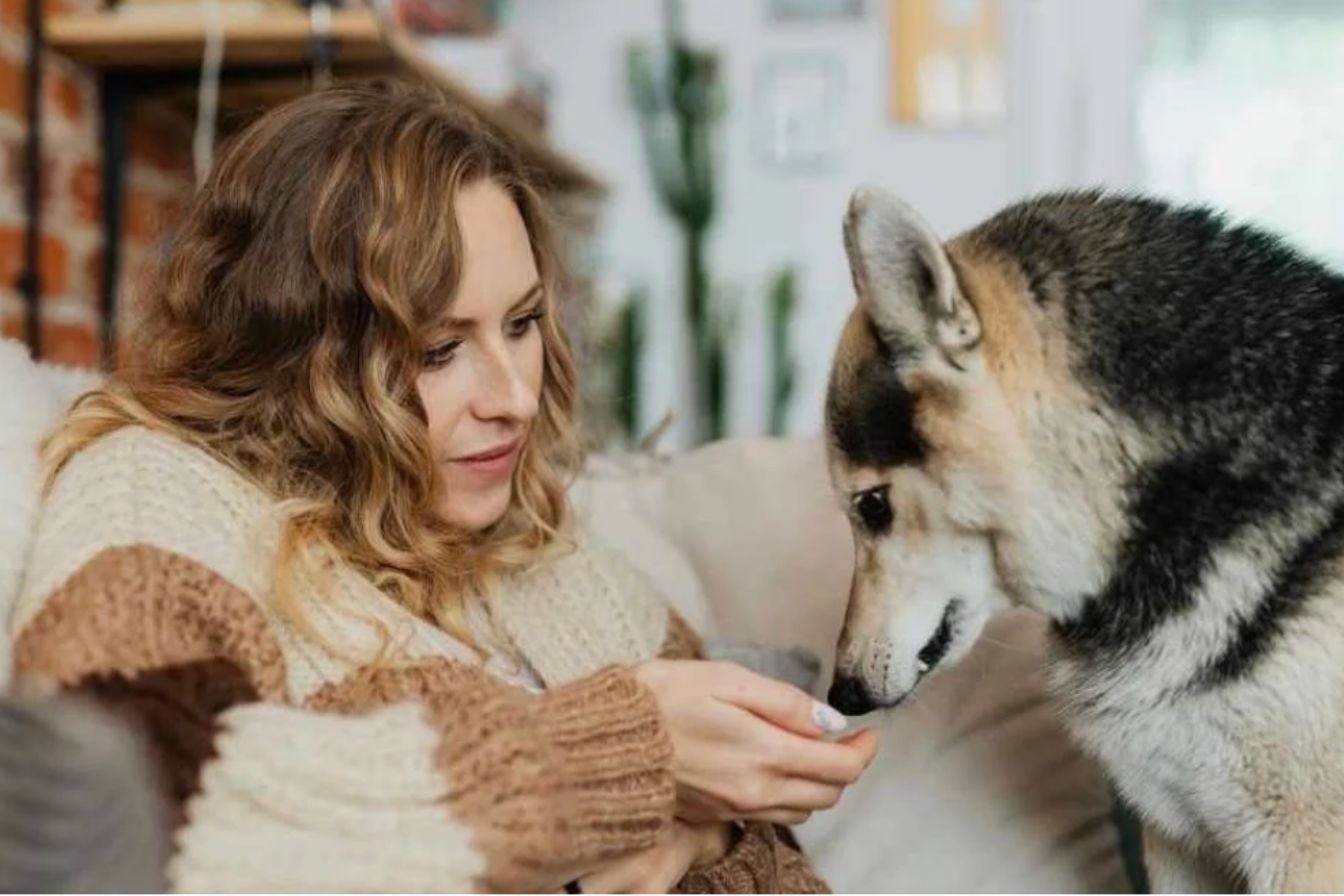
It usually comes a few sessions in. A client watches their dog respond to a cue, walk calmly beside us, or settle more quickly than they expected. Then they pause, smile, and say something like: “Wait… are you training me right now?”
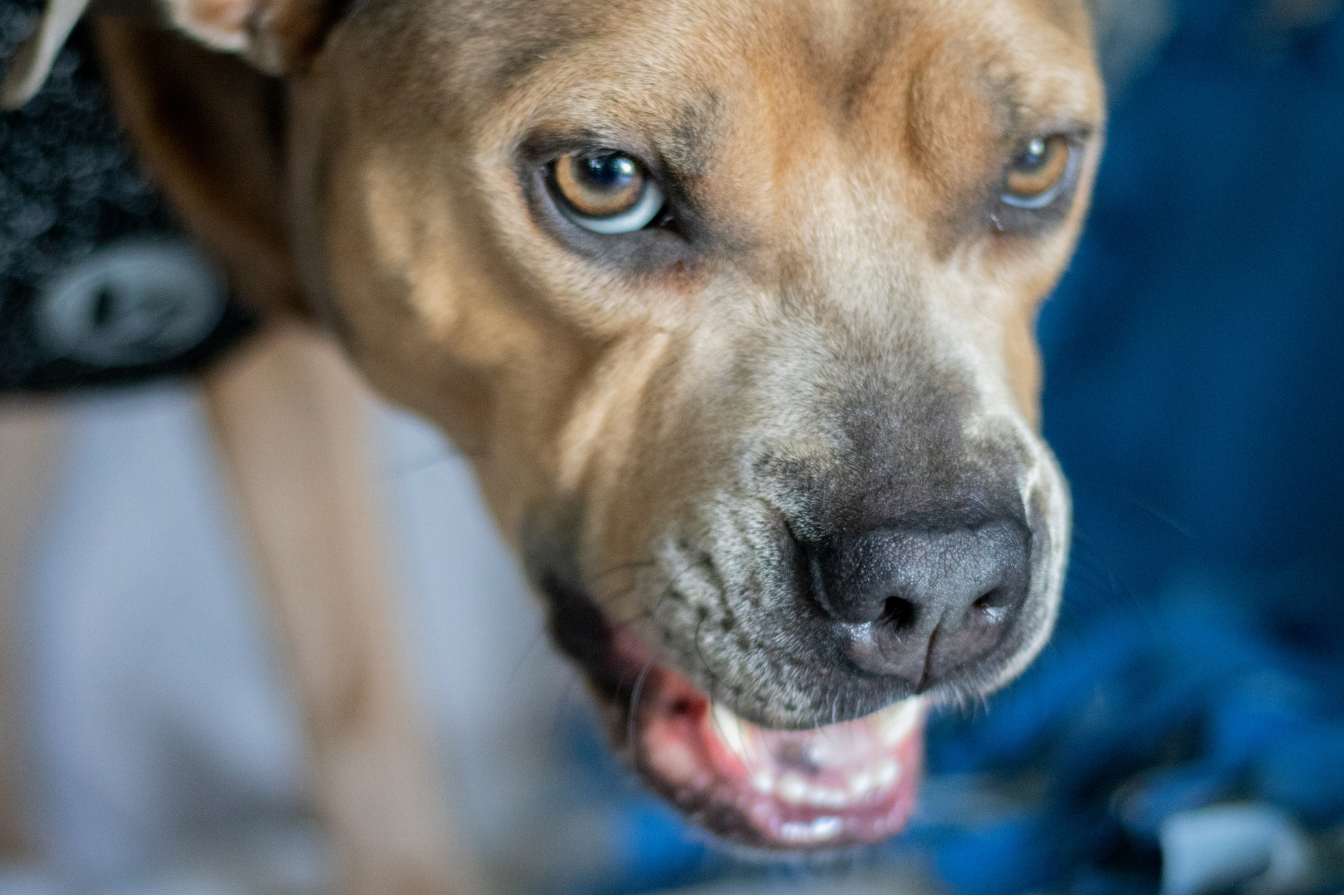
A new baby has just come home. Your world has completely changed. You’re exhausted, protective, and trying to do everything right. Then it happens. Your dog suddenly lets out a growl near the baby.
Colorado culture is built around outdoor freedom. And it’s natural to want your dog to experience that with you. But here’s the honest truth: Off-leash training isn’t about freedom. It’s about responsibility. And most people try to earn freedom before they’ve built reliability.
If you’ve ever found yourself thinking, “He knows this,” or “She does it perfectly at home,” you’re not alone. Many dog parents experience the frustration of watching their dog respond reliably in the living room, only to seem completely confused at the park. It can feel like your dog is ignoring you or being stubborn. But in most cases, something very different is happening.
We hear this question all the time. A client watches their dog walk politely next to us, respond smoothly to cues, and settle calmly during a session. Then they turn and say, half-joking, half-serious: “Why is my dog always good with you?”
Inside your living room? Angel. Outside in the hallway, park, or apartment building? Chaos. This is one of the most common frustrations in dog training. And it has nothing to do with your dog “testing you.”
You ask for “sit.” Nothing. You reach into your pocket. Suddenly? Perfect obedience. If this feels familiar, you’re not alone. A lot of dog parents worry they’ve “bribed” their dog or created a treat-dependent monster.
You say it once. Nothing. You say it again. Still nothing. By the third time, maybe louder, they finally respond. It feels like your dog is ignoring you. But here’s the truth: Your dog probably isn’t being stubborn. They’re responding exactly how they’ve been trained.
One of the hardest parts of dog training often has very little to do with the dog. It’s the conversations between two people who both care — and don’t see the situation the same way.
Feeling overwhelmed by dog training? Learn what actually helps—clear, compassionate strategies that support real progress without fear or guilt.
“Coaching” dog training is a collaborative approach where you, as the dog parent, are actively involved in every step of your dog's training journey.
We’re thrilled to offer our “Home Schooling” Dog Training Service – our alternative to a traditional “Board & Train” program designed to fit seamlessly into your busy schedule while delivering the same exceptional results as our in-person coaching sessions.
No one ever expects it, but sometimes, even the sweetest, most gentle dog can bite. Maybe it was a quick nip, or something more serious. Either way, it’s a moment that can leave you feeling shocked, scared, and unsure of what to do next.
When my husband and I moved to Denver from New York City at the end of 2018, I immediately hit the ground running to build the dog training company that I’ve always dreamed of building.
Dog training isn’t just about obedience—it’s about building a life you love with your dog. Our lifestyle training approach gives you the tools and confidence to navigate real-world moments together.
On the latest episode of The Family Pupz Podcast, we asked the Director of the Behavior & Training Department At The Marin Humane Society, the founder of Canine Behavior Associates, and the author of the critically-acclaimed book, Parenting Your Dog, Trish King, to the podcast, how she would deal with a dog that gets way too overexcited before going out on a walk (in a 4th floor walk up, no less!).
Today, we'll focus on the power of a “positive interrupter” vs a verbal correction with a firm “no” when our dogs are doing something we don't like such as chewing on furniture or digging in the backyard!
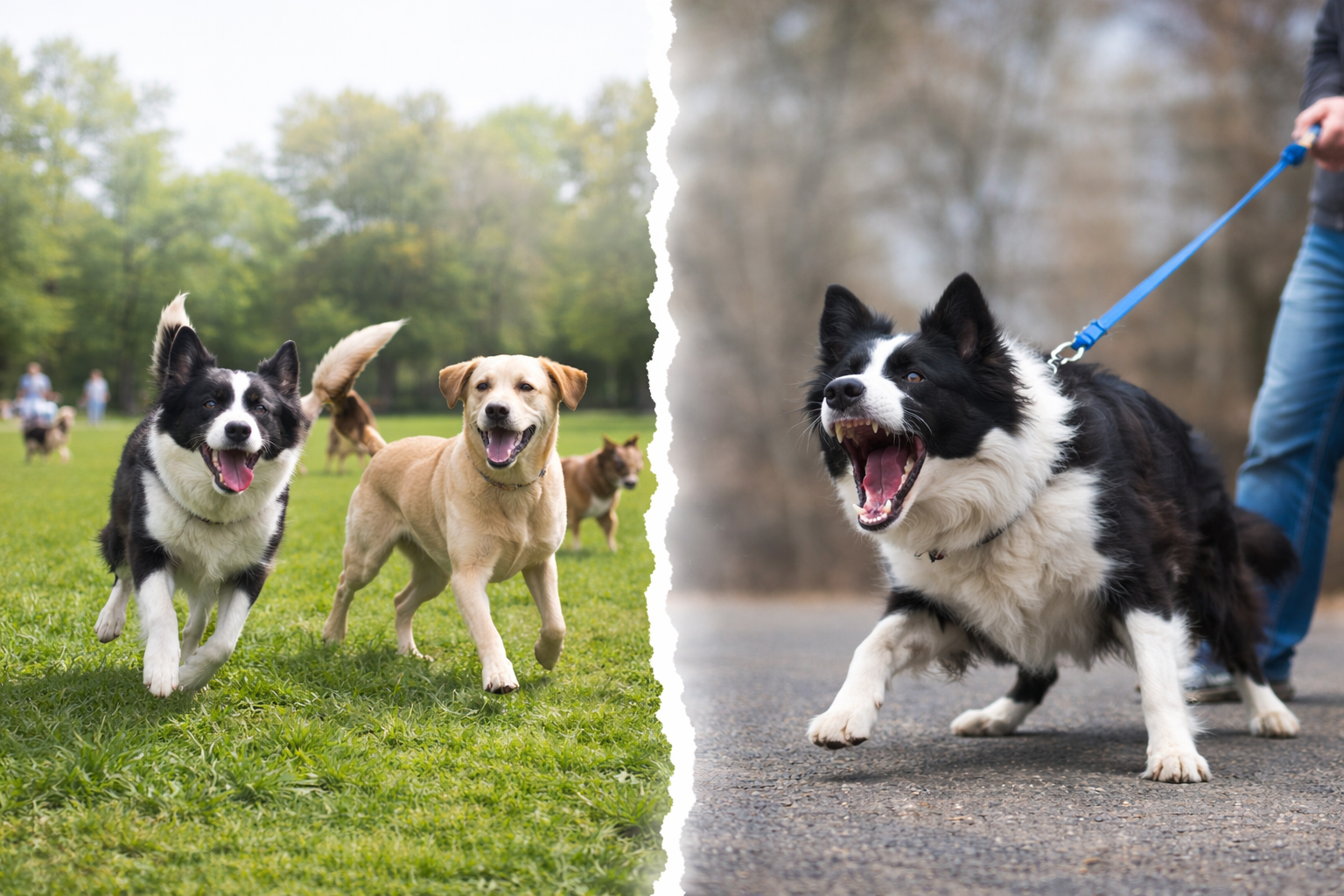
Leash reactivity (a.k.a dogs overreacting towards triggers while on leash) is one of the top 3 behavioral issues we get contacted for. In fact, our own dog, Zippo, has struggled with his emotional responses towards other dogs as well. This has allowed us to live the “leash reactive pet parent life” and learn so much from it.
On the latest episode of The Family Pupz Podcast, we asked the founder of Paws For Thought Dog Training, Maddie Messina, we asked the founder of Paws For Thought Dog Training, Maddie Messina, whether she thinks we should just let our puppies "figure it out" when socializing with other dogs.
On the latest episode of The Family Pupz Podcast, we asked the founder of Paws For Thought Dog Training, Maddie Messina, whether she thinks that allowing a young puppy to greet other dogs while on leash counts as good socialization. We loved her point about how dogs in the wild greet other dogs in a very specific way that a leash doesn't allow.
Dear Family Pupz,
One of the most frustrating things about being Roxie’s (a French Bulldog) mom is that she always runs away from me the minute I pick up her leash when it’s time to give her a walk.
It’s gotten to the point where my boyfriend and I have to go chase/hunt her down together to even have a chance of getting her harness and leash on her for a walk.
Do you remember when you took your little brother/sister, your son/daughter, or your young cousin to Disneyland for the first time?
Imagine for a moment, the sheer amount of sensory overload that their brains must have been experiencing when they excitedly walked through the park turnstiles for the first time.
“Well of course dogs don’t understand English, I’m not an idiot!”, might be exactly what you’re saying to yourself right now.
And for most of you, this might be completely obvious, but for others, whether they’re aware of it or not, the idea that our dogs don’t come out of their mother’s womb knowing the entire English language (or the language that you regularly use) is a bit foreign to them…
This body signal can be used to signal friendly intentions, stress/avoidance or warning/guarding.
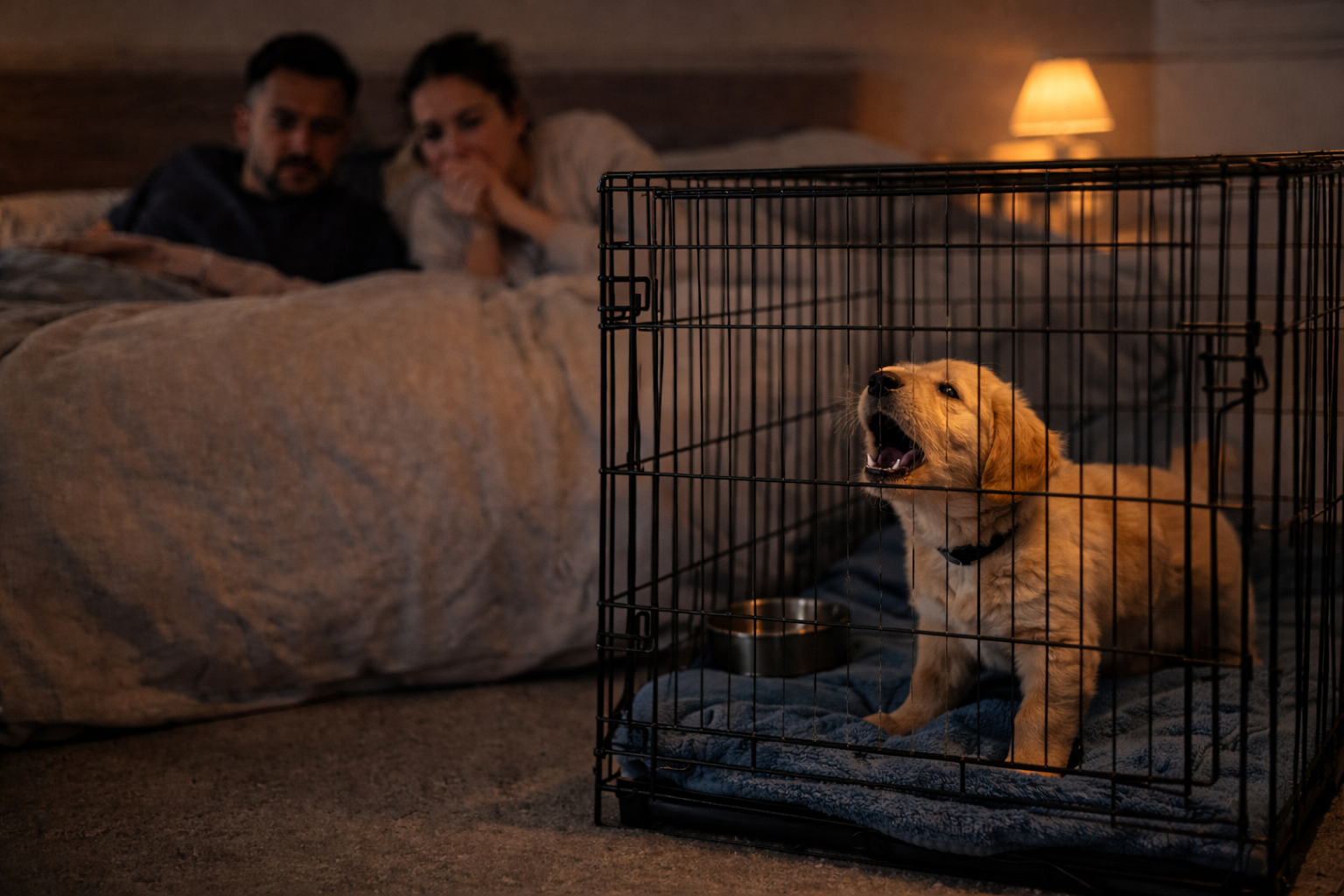
When my dog is crying/whining in his/her crate at night, should I let them “cry it out”, so as not to encourage this behavior? This question is, by far, the most common question that I receive on crate training.
One of the most common dog training requests I get from my clients is to help them with a dog that jumps. This dog might jump up on them, family members, house guests, and/or anyone and everyone that they might encounter while out on walks in the neighborhood or at a nearby park.
Have you ever wondered what your dog is thinking when he looks at you sitting on the couch? Is it possible he may be thinking “Well, are we going to do ANYTHING today?”
Like you, your dog is probably more than ready to get out of the house and enjoy the summer before it quickly passes. His problem, however, is he can't buy plane tickets, drive a car or even just go for a walk by himself.
The COVID-19 pandemic has forced us indoors at a level unprecedented in modern history, whether due to real unemployment levels reaching the highest level in the U.S. since 1934, or due to nearly half of all the employed U.S. workforce now working remotely from home.
This has led to a tremendous increase in the time we’ve been spending indoors with our dogs…
… In other words, dogs were happier when they earned a reward by performing a task, rather than just being freely handed a treat.
Why teach your dog to perform a “down-stay”?
It's a great impulse control exercise.
It could be an alternative to undesirable behaviors we experience.
If done properly, early positive exposure to a variety of environments will help your puppy adjust socially in a human society & build your puppy’s confidence.
The best way to “speak dog” is to train your dog by utilizing positive training methods that reward the behaviors you want and that tap into your dog’s way of learning.
For a dog, personal space is of great importance, and as such, lip licks & tongue flicks can be used as an indication of a personal space violation.
Yawns are some of the most common communication signals dog owners observe in their dogs.
A great and alternative way to feed your puppy her daily meal is to ask her for behaviors and reward her with her kibble every time she is successful.
Crate training is essential for successful potty training. It helps create a private spot for your puppy & allows your pup to travel safely in a car, or on an airplane.
A question I often get asked is what the difference in benefits is between private dog training in comparison to group dog training classes.