
Why Won’t My Dog Listen To Me? (The Real Reason Your Dog Ignores You)
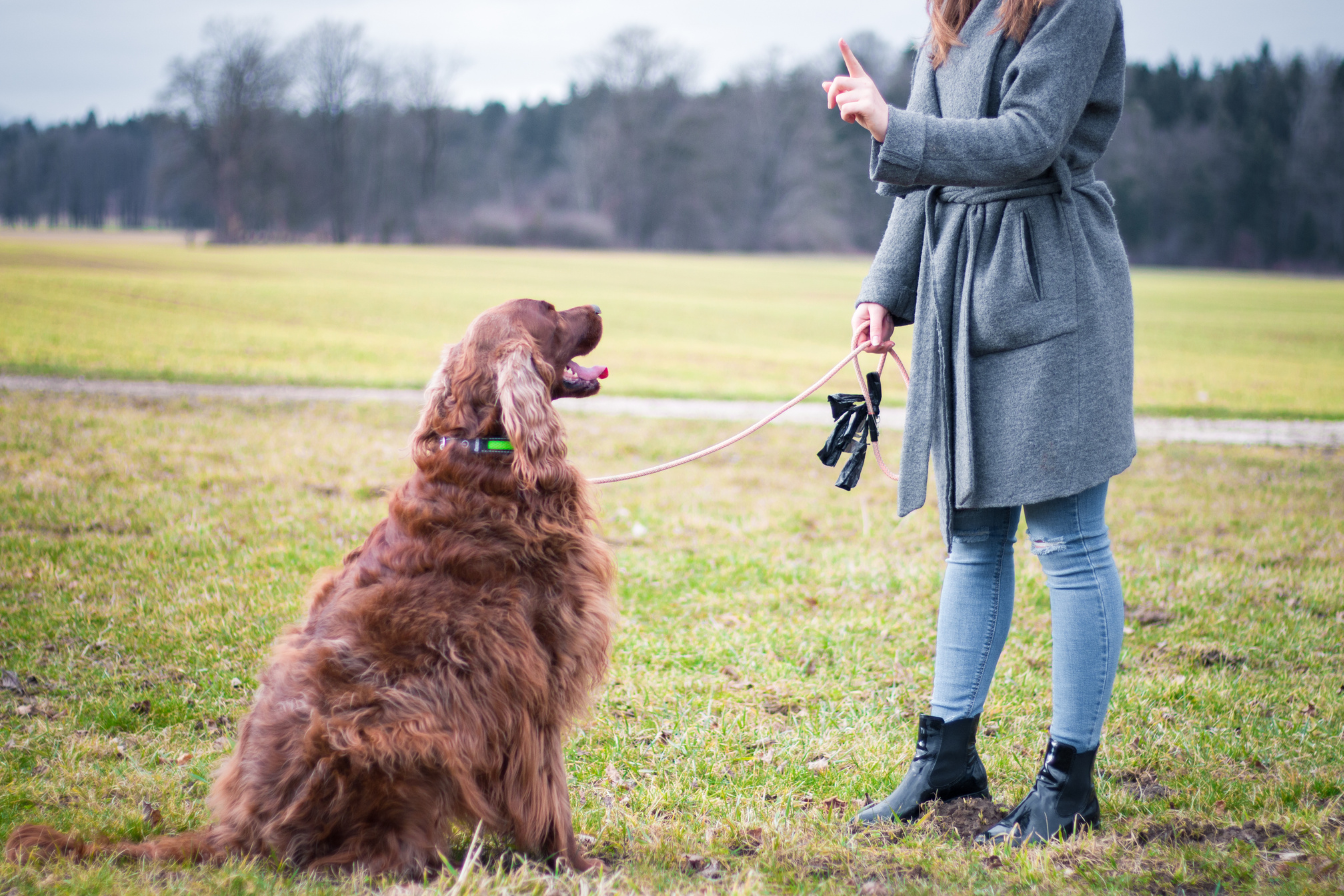
If You Feel Like Your Dog Only Listens On The Third Or Fourth “Sit,” You’re Not Alone.
You say it once. Nothing.
You say it again. Still nothing.
By the third time, maybe louder, they finally respond.
It feels like your dog is ignoring you.
But here’s the truth: Your dog probably isn’t being stubborn. They’re responding exactly how they’ve been trained.
Why Dogs Start Ignoring You
One of the biggest reasons dogs don’t listen the first time is something most dog parents accidentally teach:
Repeating the cue.
When you say:
“Sit.”
“Sit.”
“Siiit!”
Your dog learns that the first cue doesn’t matter.
The real cue becomes the third one.
Dogs are pattern machines. If nothing happens after the first request, they learn it’s optional.

Remember When Your Mom Called You for Dinner?
You’re 11 years old. You’re locked into a video game. You hear from downstairs:
“Dinner!”
Do you move? Probably not.
Thirty seconds later: “Dinner!”
Still playing.
Then comes the third one—louder, sharper, maybe with your full government name attached.
Now you move.
Why?
Because historically, nothing happened after the first two calls. The real cue was the third one. That’s the one that meant, “Okay, now this is serious.”
You weren’t disobedient. You were trained.
That’s exactly what happens when we repeat cues with our dogs.
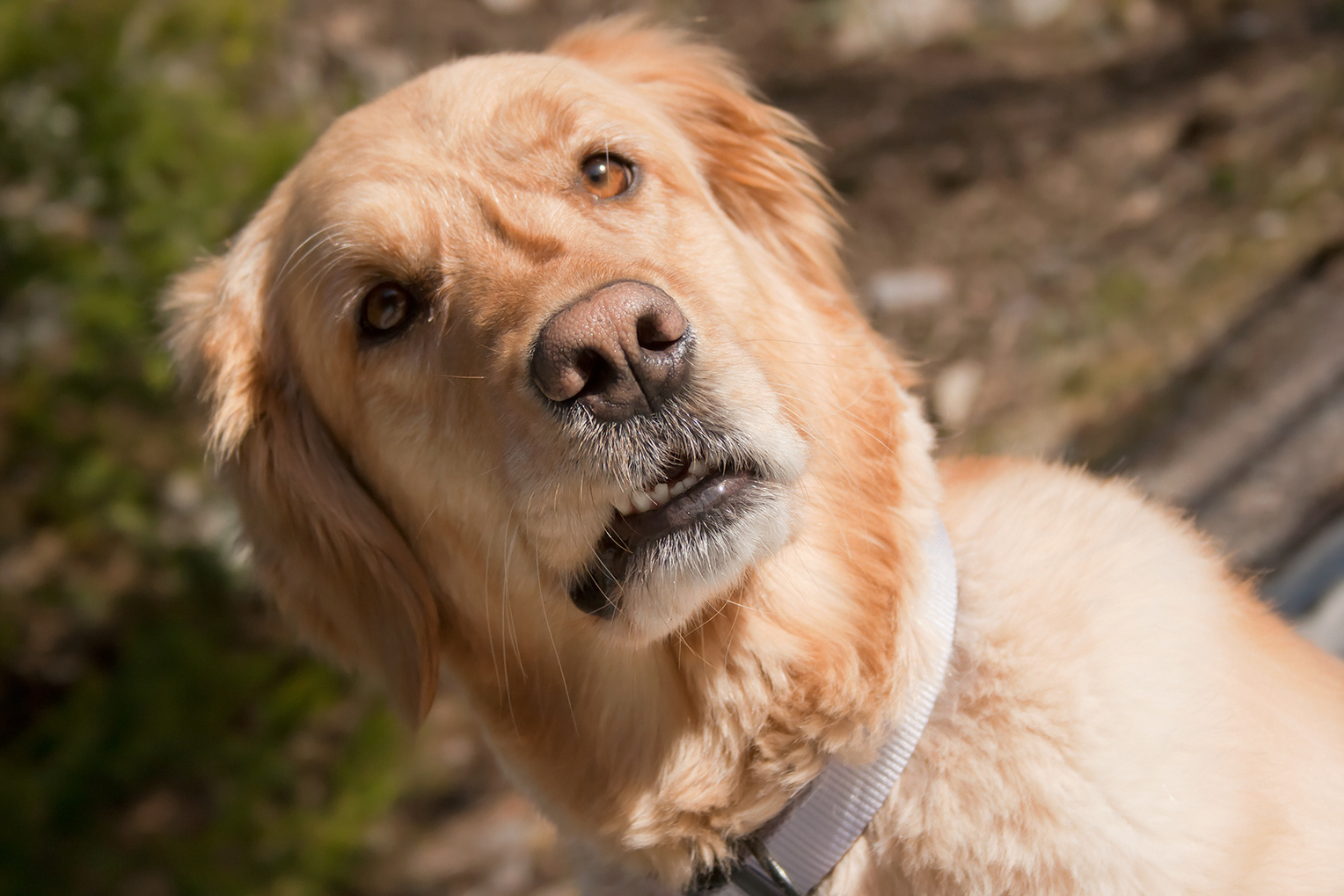
Why Repeating a Cue Backfires
When you repeat a cue:
You dilute its meaning.
A cue should be clean and precise. Repetition turns it into noise.You teach your dog that the first cue is optional.
If nothing happens after it, why respond?You build frustration.
You feel ignored. Your dog feels pressure. The interaction shifts from clarity to tension.
In positive, force-free training, clarity is everything. We’re building communication and trust, not nagging compliance.
How To Get Your Dog To Listen The First Time
Instead of repeating the cue:
Say it once.
Pause 1–2 seconds.
If they don’t respond, reset — don’t repeat.
Reset might mean:
Getting eye contact first.
Moving to a quieter environment.
Using a hand signal prompt.
Going back to easier reps.
You’re protecting the power of your cue.
The Real Goal
The goal isn’t volume. It’s clarity.
When you say something once and follow through calmly and consistently, your dog learns: That word matters.
That’s how you build reliability — whether you’re at home, in a café, or navigating your apartment building.
If you’re ready for a dog who listens calmly and confidently, get in touch — we’re here to help :)
