
Why Dog Training Feels Overwhelming — And What Actually Helps

“Overwhelm doesn’t mean you’re doing it wrong. It means you need clarity and support.”
If You’re Here, You’re Not Alone
If you’re here, it’s likely because you care deeply about your dog—and you want things to feel better than they do right now.
Maybe you’ve tried training strategies that seemed promising but didn’t stick once real life got busy. Maybe you started with the best intentions, only to feel frustrated or discouraged when consistency became hard to maintain. Or maybe you’re doing everything you can to be proactive and responsible, yet still feel unsure if you’re choosing the right approach for your dog.
Many dog parents find themselves stuck in this space—not because they’re failing, but because they’re overwhelmed. There’s an endless amount of advice available, often conflicting, often loud, and often delivered with a sense of urgency that makes it feel like getting it wrong could have serious consequences.
If that sounds familiar, you’re not behind—and you’re certainly not alone.
Wanting clarity, support, and a training approach that feels kind, effective, and sustainable doesn’t mean you’ve failed. It means you’re paying attention. And that’s a powerful place to begin.
The Four Common Roadblocks

“These roadblocks aren’t a reflection of how much you care—or how capable you are.”
These roadblocks aren’t a reflection of how much you care—or how capable you are.
They’re the result of trying to navigate dog training in a world full of noise, pressure, and unrealistic expectations. Most well-intentioned dog parents run into at least one of these along the way, often without realizing it. Naming them is the first step toward moving past them.
1. The Consistency Myth

“Believing training has to be perfect—or it doesn’t count.”
When training is framed as something that must be done “the right way” every time, it becomes difficult to sustain. Real life interruptions—travel, illness, busy schedules—can quickly derail momentum. In reality, consistency is about patterns over time, not flawless execution. Without that perspective, many dog parents unintentionally give up on approaches that would work if allowed to be flexible.
2. Information Overload
“Too many opinions. Too many methods. Too little clarity.”
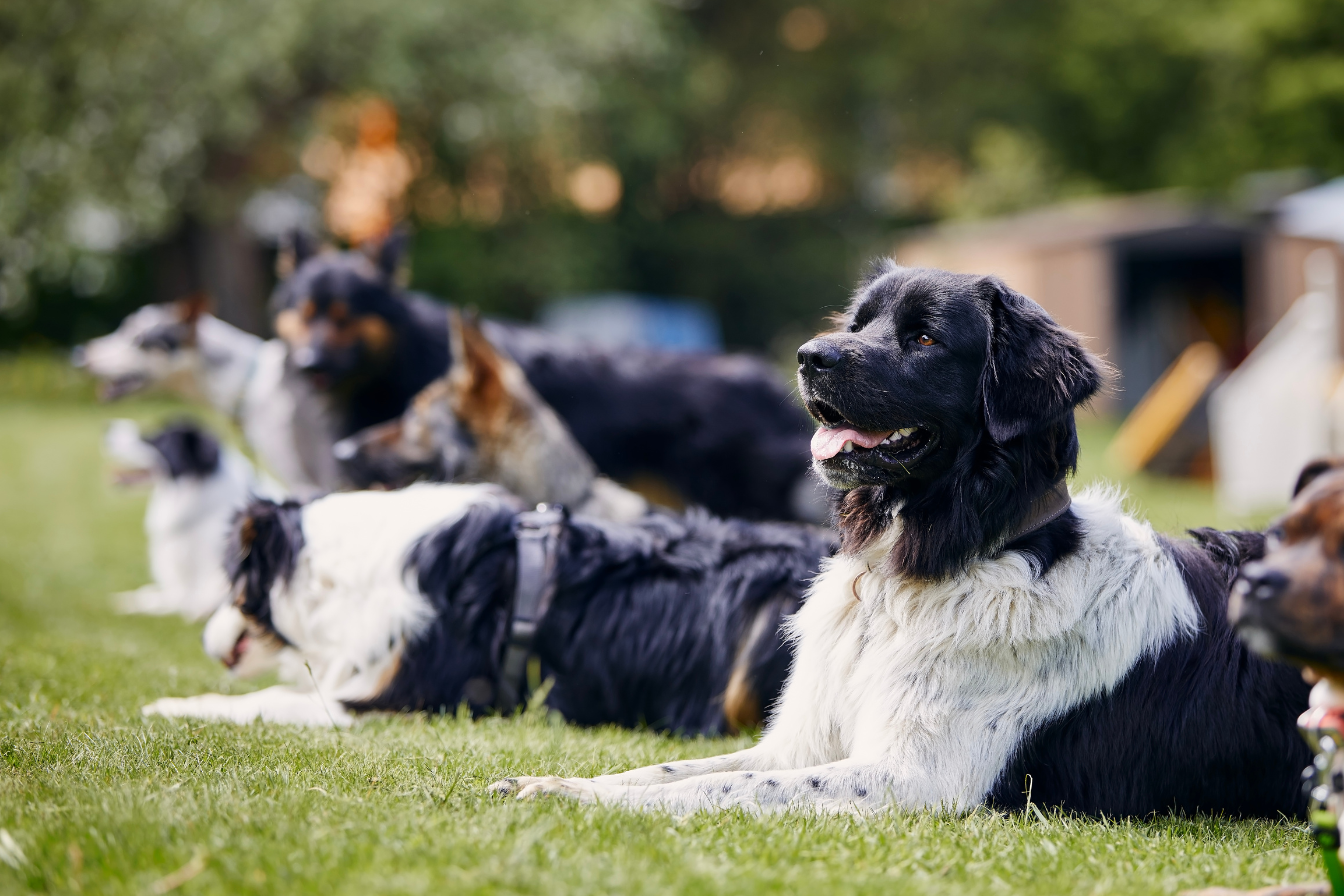
Information overload happens when well-intentioned dog parents are exposed to countless training philosophies, techniques, and “rules,” often presented as must-dos or deal-breakers. One source contradicts another, leaving you unsure of what applies to your dog. Instead of feeling empowered, you’re left second-guessing every decision—making it harder to start, stick with a plan, or trust that you’re on the right path.
3. Borrowed Advice

“Following what worked for someone else’s dog, lifestyle, or values.”
Borrowed advice often comes from a good place—friends, family members, neighbors, or online communities who genuinely want to help. But dogs differ in temperament, history, and needs, and households differ in routines, energy, and priorities. When advice isn’t aligned with your dog or your lifestyle, it can create confusion, stalled progress, or even erode confidence in your own instincts, making training feel harder than it needs to be.
4. Fear of Doing Harm

“Wanting a well-trained dog without causing fear, stress, or anxiety.”
Many dog parents worry that using the “wrong” approach could damage their dog’s confidence or the relationship they’re working so hard to build. This fear can lead to hesitation, overthinking, or avoiding training altogether—especially when advice feels harsh, rigid, or outdated. While the intention is to protect the dog, the lack of guidance can make it difficult to move forward with confidence and consistency.
The Four Anchors That Move You Forward

“These four simple anchors can turn dog training from overwhelming into meaningful progress.”
These anchors are designed to bring clarity where things once felt overwhelming. They aren’t quick fixes or rigid rules—they’re steady principles that support real life with a real dog. By focusing on consistency over perfection, simplicity over noise, training that fits your lifestyle, and connection at the foundation, you create a path forward that feels sustainable, supportive, and effective—for both you and your dog.
1. Consistency Over Perfection

“Progress comes from small, repeatable actions—not flawless execution.”
Consistency isn’t about doing everything right every day; it’s about creating patterns that your dog can rely on over time. Even short, imperfect moments of practice build clarity and trust when they happen regularly. That might look like practicing your dog’s ability to settle on their bed while you drink your morning coffee, or reinforcing a calm check-in when a strange dog comes into view on a walk. When training is flexible enough to adapt to real life, it becomes sustainable—and sustainable training is what creates lasting change.
2. Simplicity Beats Volume

“You don’t need more information—you need the right information.”
True progress comes from focusing on a few meaningful skills instead of trying to do everything at once. When priorities are clear, training feels lighter and more manageable. For example, you might focus on teaching your dog to sit before the front door opens or before greeting a person. Once that skill becomes an effortless part of your daily routine, you can confidently move on to teaching a more complex skill—like enthusiastically coming when called. Simplicity allows you to notice progress, build momentum, and move forward with confidence rather than constantly questioning whether you’re doing enough.
3. Training Should Fit Your Life

“If it doesn’t work in real life, it won’t last.”
Effective training supports your routines instead of disrupting them. It accounts for busy schedules, changing environments, and the realities of daily life. For example, your dog may not need to hold a perfect stay for several minutes while you’re out of sight—but they do need to reliably pause and disengage when something tempting appears, like leaving a dropped sock alone or going to their bed when you answer the door. When training fits naturally into your lifestyle, consistency becomes easier, skills generalize more smoothly, and progress feels achievable rather than forced.
4. Connection Is the Foundation
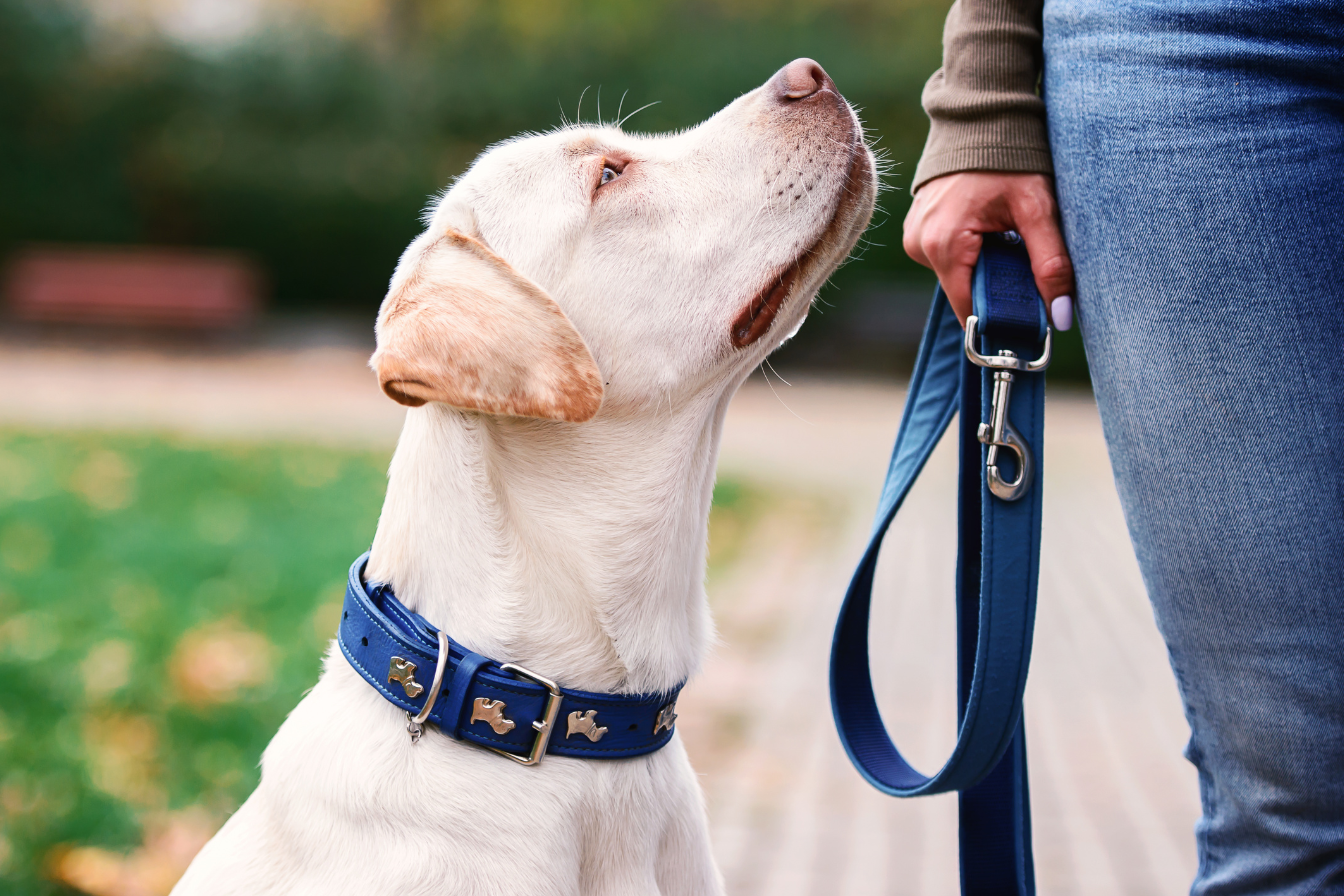
“Behavior changes fastest when dogs feel safe, understood, and supported.”
Training is most effective when it strengthens communication and trust. Dogs learn best when they feel secure in their environment and in their relationship with you. For example, instead of reacting immediately to something unfamiliar, your dog may look to you for guidance, or follow a simple cue to move away from a distraction. When connection leads the process, behavior change becomes collaborative—not confrontational—and the bond you build supports progress far beyond individual skills.
Where Training Meets Real Life
Training doesn’t have to feel overwhelming, rigid, or isolating. With the right support and a clear, compassionate approach, progress becomes something you can sustain—not something you have to force. When you focus on consistency over perfection, simplicity over noise, and connection over control, you create a path forward that supports both you and your dog. This kind of training is built for real moments, real schedules, and real challenges—allowing progress to unfold in a way that feels steady, achievable, and aligned with everyday life.