
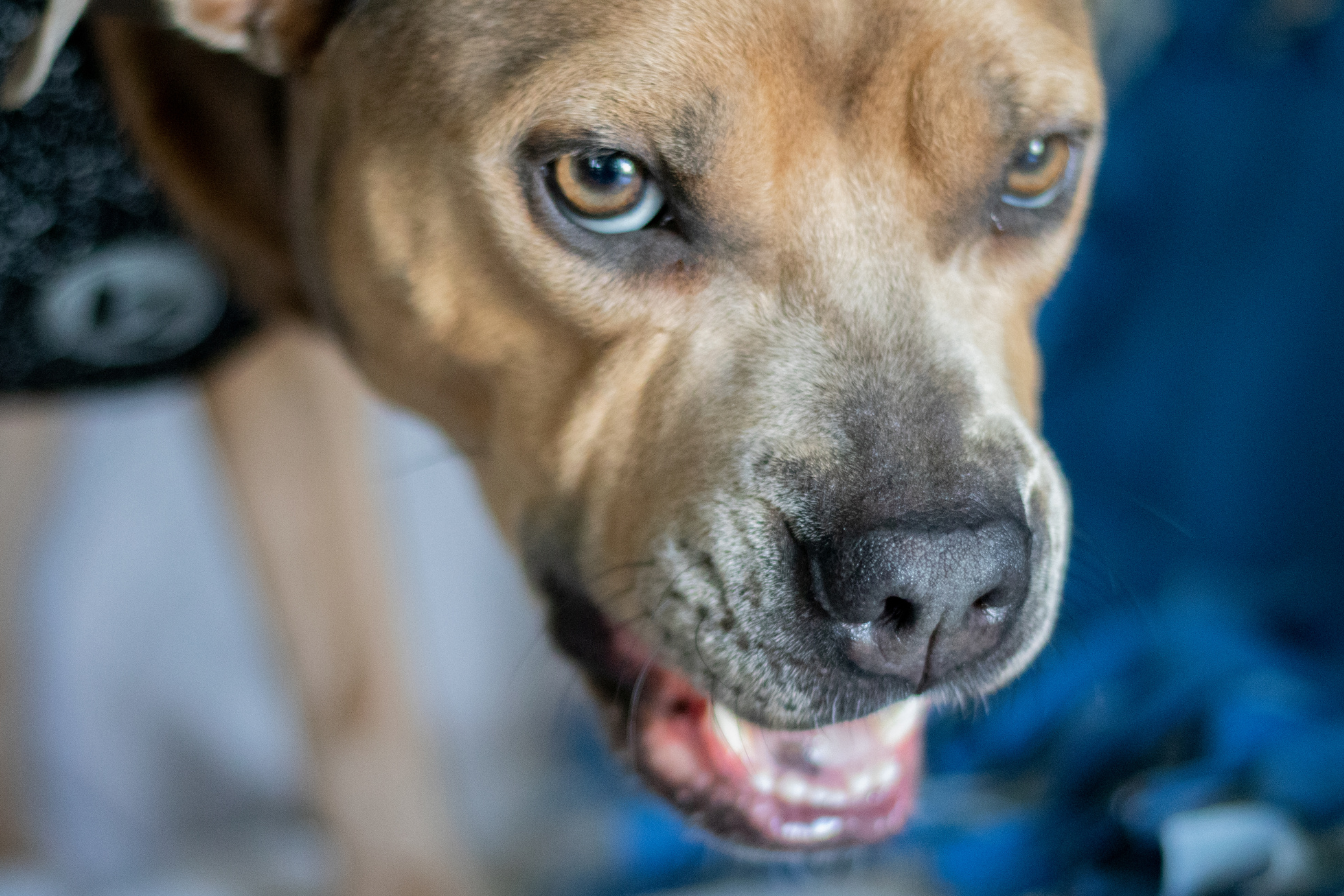
This is one of the most emotional calls we receive as doggy doulas.
A new baby has just come home. Your world has completely changed. You’re exhausted, protective, and trying to do everything right.
Then it happens.
Your dog — the one who got you through lonely days, stressful weeks, and the quiet seasons of life before parenthood — suddenly lets out a growl near the baby.
And suddenly the questions hits like a wave:
Is my dog dangerous? Did I make a mistake keeping him? Do I have to rehome him?
Take a breath.
In many cases, a growl is not the end of the story.
In fact, a growl can be something important.
A Growl Is Communication — Not A Verdict
Dogs don’t have words. When they feel unsure, stressed, or overwhelmed, they communicate the only way they know how.
A growl is a warning.
It means: “Something about this situation is uncomfortable for me.”
That discomfort might come from many places:
The sudden sounds and movements of a baby
A dog that hasn’t had space to adjust to the new environment
A dog feeling cornered or unable to move away
A dog that is startled while resting
None of these automatically mean your dog is aggressive.
Many deeply loved family dogs growl at some point during the adjustment period.
What matters most is not the fact that the growl happened — but what the growl is telling us about how the dog is feeling in that moment.
And just as importantly, it’s a moment where punishment can make things worse. If a dog learns that growling gets them in trouble, they may stop warning altogether — and go straight to the next step the next time they feel overwhelmed.
Instead, the goal is to step back, create space, and help the dog feel safe again while we figure out what triggered the discomfort.
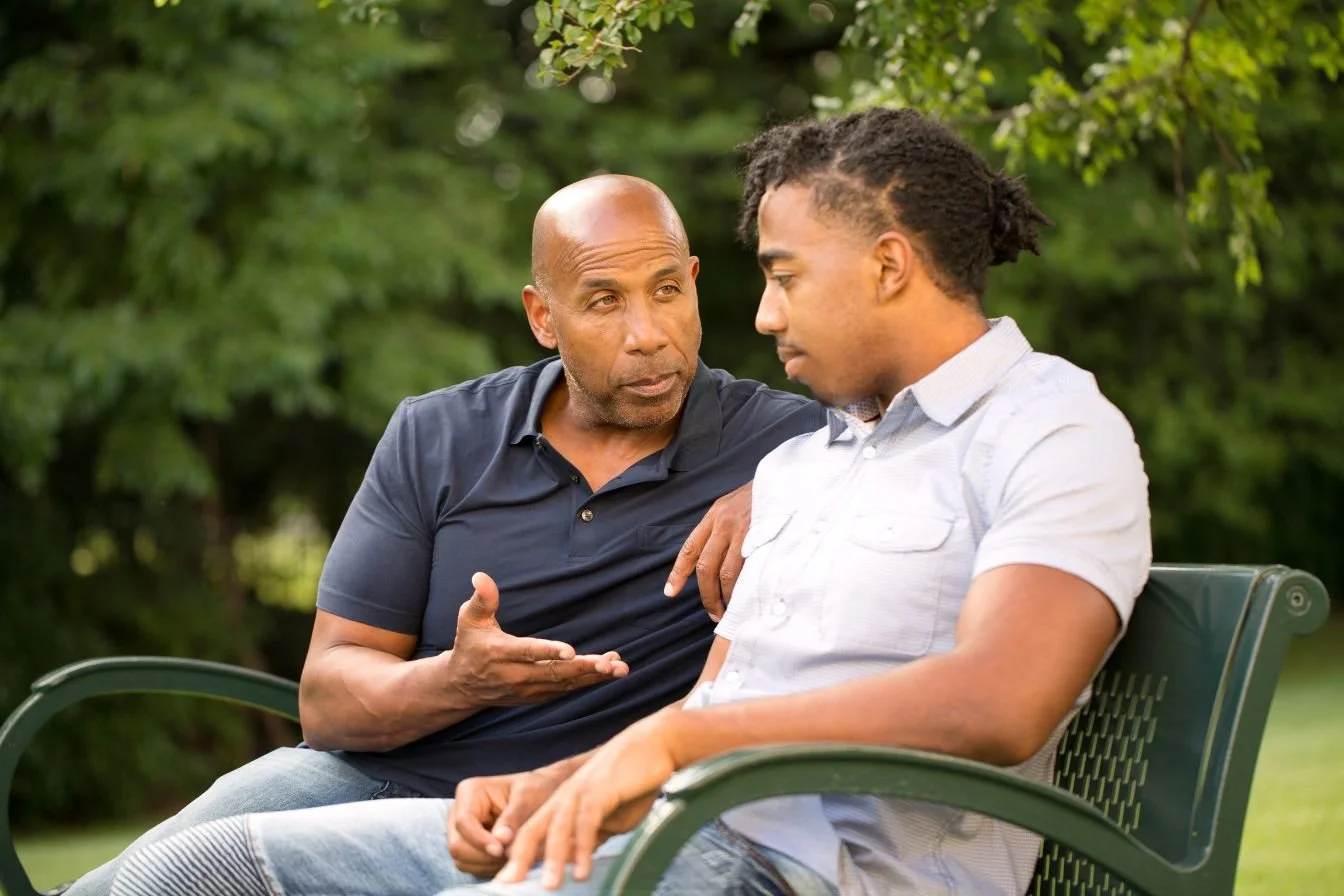
The Middle Ground People Don’t Talk About
When parents hear a growl, advice often jumps to extremes.
One side says: “Dogs and babies can never mix.”
The other says: “Don’t worry. Good dogs just know how to be gentle with babies.”
So when your own dog growls, many parents freeze.
Because it suddenly feels like something has gone terribly wrong — either your dog is dangerous, or you’ve somehow failed them.
But the truth is much more ordinary.
Many good, deeply loved family dogs simply need time, structure, and guidance to understand this strange new tiny human in their home.
The Myth That Dogs Automatically Love Babies
Part of the confusion comes from a powerful image many of us unknowingly carry about dogs and babies.
It’s a comforting image.
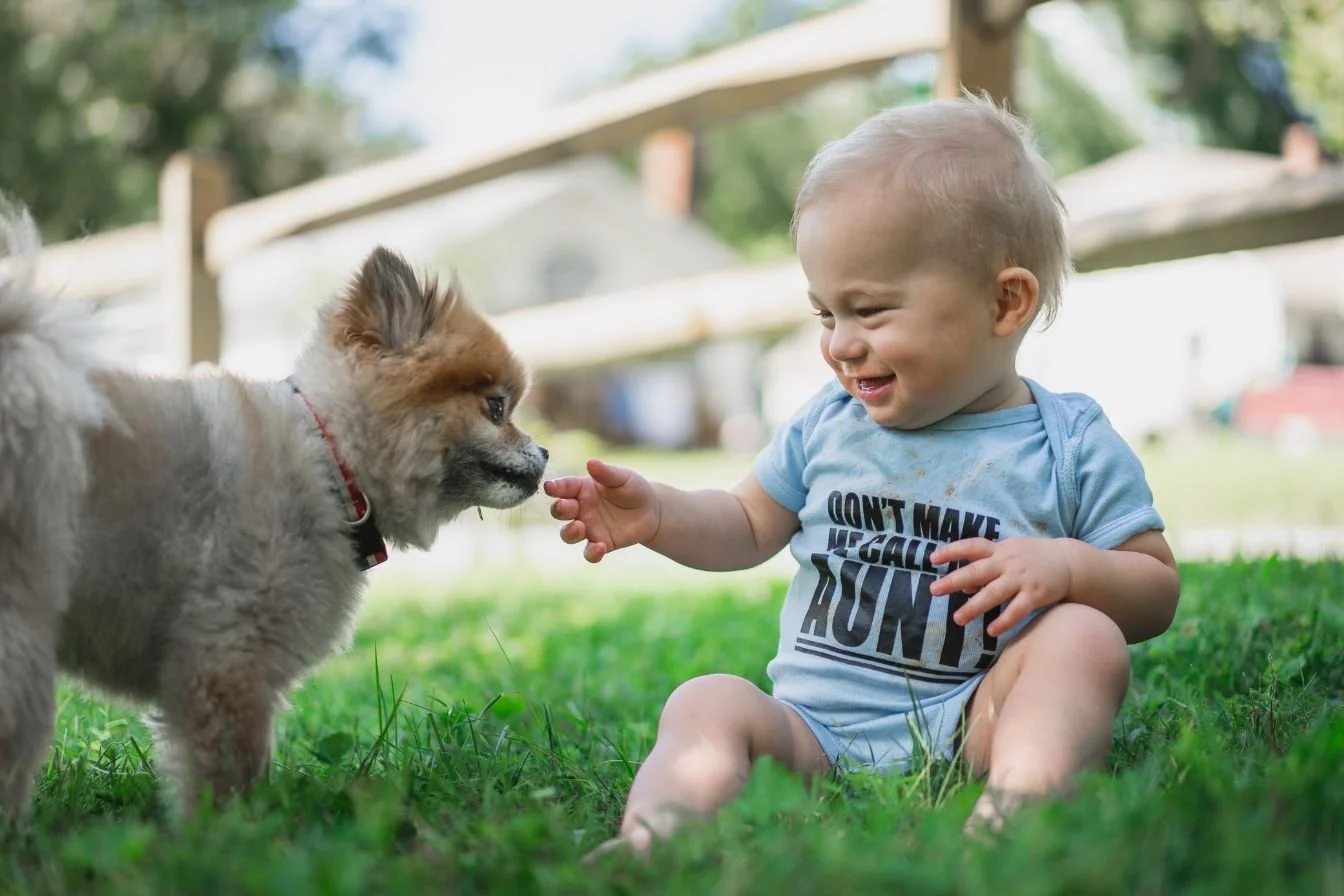
The loyal family dog gently sniffing the newborn. The instant bond. The quiet protector sleeping beside the crib.
Sometimes that image even comes with advice: “Just bring home the baby’s blanket first so the dog can smell it. Once they know the scent, they’ll understand.”
And sometimes things really do unfold that smoothly.
But many perfectly good dogs simply don’t know what to make of babies at first.
Babies move strangely. They make sudden noises. They smell different. To a dog, they can feel unpredictable.
Some dogs are curious. Some warm up quickly. Others prefer to keep their distance while they figure things out.
Even in our own home, our dog Zippo mostly treats our baby like a slightly confusing roommate. He’s calm and respectful, but he doesn’t try to interact much. He simply gives the baby space.
And that’s completely okay.
Dogs don’t have to adore babies. They just need to learn how to live safely and comfortably alongside them.
Where The Real Red Lines Are
That said, this doesn’t mean ignoring warning signs.
There are situations where extra caution — and sometimes professional help — is essential.
These situations include:
A dog that stiffens and moves toward the baby while growling
Repeated growling when the baby is simply present
Snapping or air biting
A dog that cannot disengage or move away
These situations don’t automatically mean rehoming is necessary.
But they do mean it’s time to bring in a qualified trainer or behavior professional to guide the process safely.
The Goal Is Safety — For Everyone
Your baby deserves safety. Your dog deserves clarity and support during a massive life transition. Most importantly, you deserve guidance that isn’t driven by panic.
The early weeks of life with a baby are full of adjustments — for every member of the family, including the dog.
Sometimes a growl is simply the first signal that your dog needs help navigating this new chapter. And with the right structure, many families move through this stage and find a new balance together.
If you’re feeling unsure about what your dog’s behavior means, you’re not alone. This is exactly the kind of moment doggy doulas are here for — helping families protect both the bond they love and the baby they cherish.
