
Why Is My Dog Always Better With The Trainer Than With Me?
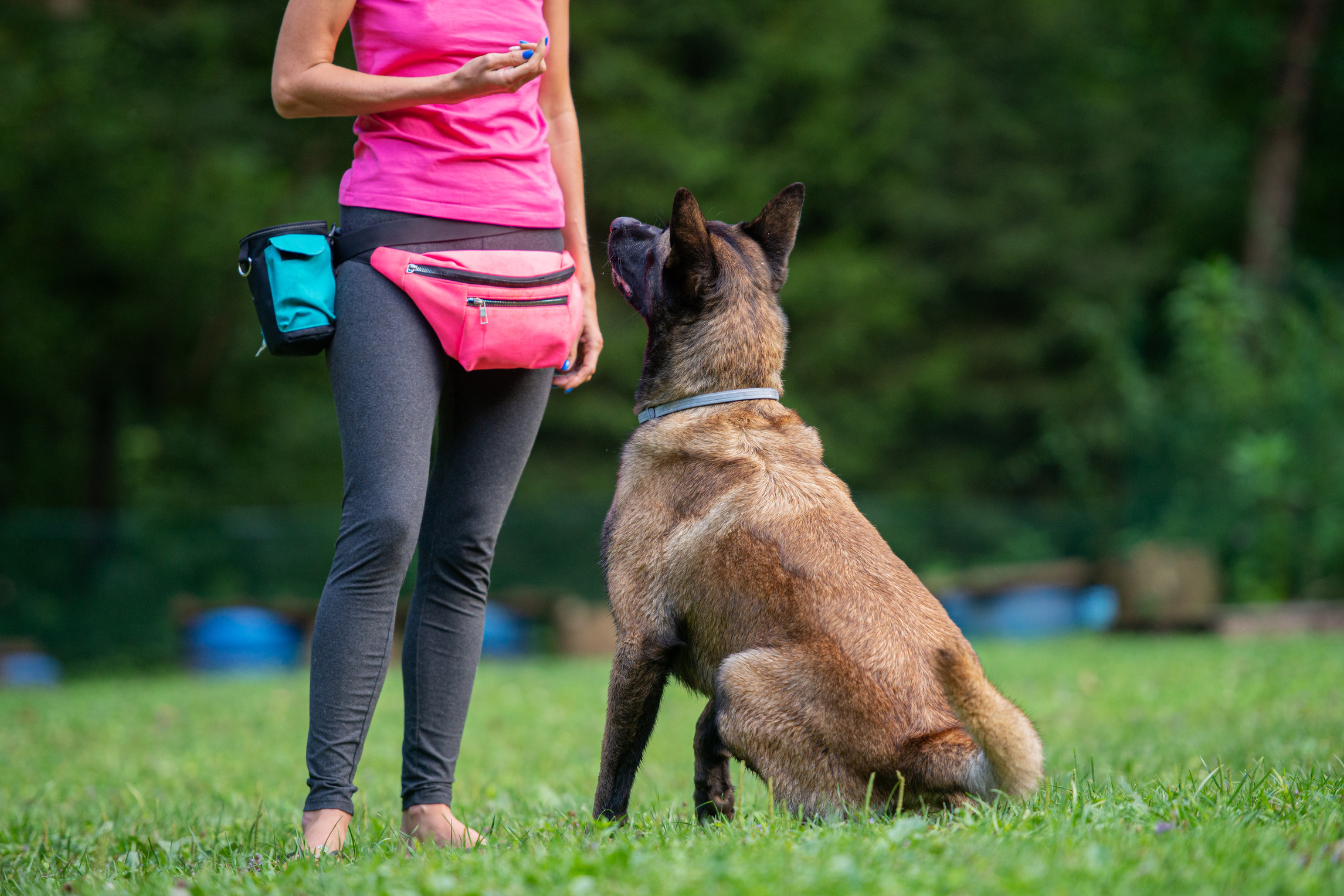
We hear this question all the time.
A client watches their dog walk politely next to us, respond smoothly to cues, and settle calmly during a session. Then they turn and say, half-joking, half-serious:
“Why is my dog always good with you?”
It’s usually followed by something like, “Well, of course he listens — you’re the treat lady.”
There’s humor in it. But underneath the laugh is a real concern: Why does my dog seem reliable during training sessions but much less consistent at home?
The answer has far less to do with treats or authority than most people assume. It usually comes down to clarity and consistency.
It’s Not About The Treats
Yes, we use treats during training. Reinforcement is an important part of teaching behavior.
But the difference isn’t simply that a trainer has food in their pocket. It’s how that reinforcement is delivered. In professional training sessions, rewards are timed carefully and delivered at very specific moments tied to a clear behavior. The criteria for earning reinforcement stay consistent, and when a behavior doesn’t meet those criteria, the response is calm and predictable.
That structure creates clarity.
Dogs aren’t responding to a person who happens to have snacks. They’re responding to communication that makes sense to them.
Professional Trainers Are Extremely Predictable
One of the biggest differences between trainers and dog parents is predictability.
During sessions, trainers tend to say cues once, use steady tone and body language, and follow through consistently. We avoid adding extra words, negotiating, or repeating ourselves. If a dog doesn’t respond, we adjust the environment or lower criteria rather than escalating emotionally. And there is very little variation from repetition to repetition.
Dogs thrive in that kind of environment. Predictability reduces confusion and allows them to learn patterns more quickly. When communication is clean and consistent, behavior often looks polished.
You And Your Dog Have A Shared History
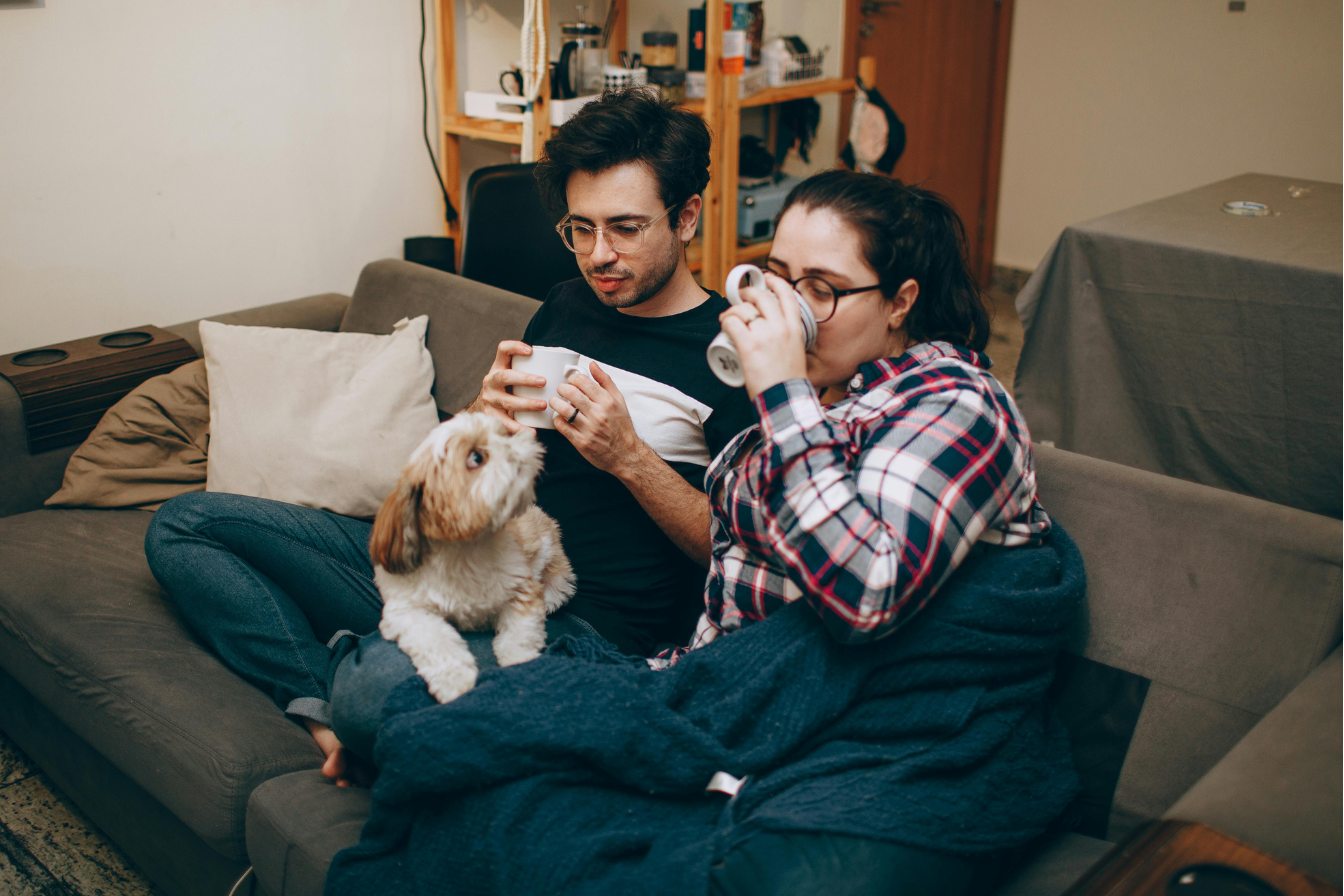
Your life with your dog at home is naturally different.
You and your dog share everyday life. That includes moments when you’re tired, distracted, in a hurry, or juggling multiple responsibilities. There are times when cues get repeated. Times when follow-through isn’t perfect. Times when you let something slide because it isn’t worth the energy in that moment.
That isn’t a failure. It’s reality.
However, dogs learn from patterns. If a dog has experienced that a cue might be repeated, delayed, or occasionally optional, that pattern becomes part of the relationship. It doesn’t mean they respect you less. It simply means the history is more varied.
When a trainer steps in, there’s no layered emotional history. There’s just structured practice.
Environment and Structure Matter More Than You Think
Training sessions are intentionally designed. They have a clear beginning, focused repetition, and a defined end. The environment is often arranged to set the dog up for success.
Home life is dynamic. Phones ring. Meals are cooking. Children are moving through the space. Attention shifts quickly. In that context, structure softens.
Dogs don’t generalize as broadly as humans do. A behavior learned in a focused session does not automatically transfer seamlessly into a busy living room or a stimulating sidewalk. That transfer requires intentional practice in multiple environments.
When behavior looks less reliable at home, it is usually not a loss of skill. It’s a shift in context.
But this dynamic isn’t unique to dog training.
A Helpful Parallel: Why Kids Often Behave Differently With Teachers
If you’ve ever had a school-aged child, this dynamic might feel familiar.
Many parents have had the experience of hearing something like:
“Your child is wonderful in class. They follow directions, stay focused, and help other students.”
Meanwhile at home, that same child might resist homework, negotiate every request, or test boundaries throughout the evening.
The difference usually isn’t that the child respects the teacher more or likes them better.
It’s structure.
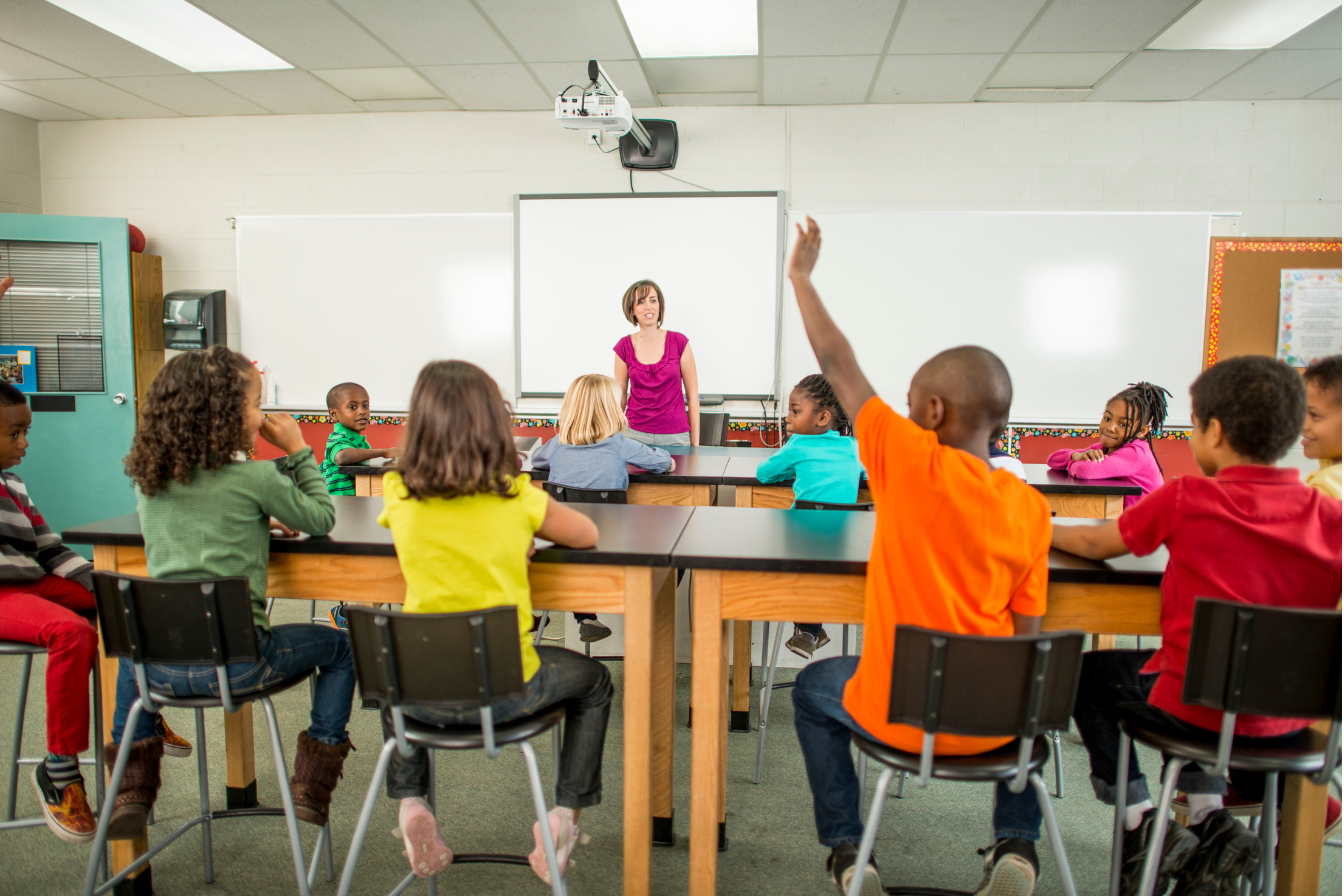
In a classroom, expectations are very clear. Instructions are given once. Routines are predictable. The teacher follows through consistently. When a direction is given — “Please open your math book” — it is expected to happen right away, and the teacher calmly guides the class back on track if it doesn’t.
That structure doesn’t happen by accident. Teachers spend years learning how to create learning environments where communication is clear, expectations are consistent, and students understand exactly what is being asked of them.
At home, life is naturally more flexible. A parent might say:
“Go start your homework.”
Then a few minutes later:
“Did you start your homework yet?”
Then perhaps:
“Okay, just do it after dinner.”
None of this means the parent is doing anything wrong. It’s simply the reality of everyday family life. There are more moving pieces, more emotional history, and more negotiation.
Children, like dogs, learn from patterns. If directions sometimes come with reminders, delays, or adjustments, that becomes part of how the interaction works.
When a teacher steps in, there’s no long history of exceptions or negotiation. There is simply a clear structure that the child quickly learns to follow.
Dog training works in a very similar way.
Professional trainers spend years learning how to create clear communication, predictable patterns, and structured practice so animals can understand exactly which behaviors succeed.
When behavior looks smoother with a trainer, it usually isn’t about personality or authority.
It’s structure.
And just like with children, once that structure becomes part of the home routine, behavior often changes quickly.
Your Dog Isn’t Choosing the Trainer Over You
This is the part many people quietly worry about.
If a dog performs well during training sessions, it means the skill exists. The dog is capable. The behavior has been learned.
It’s not about dominance, preference, or your dog liking someone else more.
It’s simply that the trainer is providing clearer and more consistent structure in that moment.
The encouraging part is that structure is something you can absolutely build at home.
How To Strengthen Reliability At Home
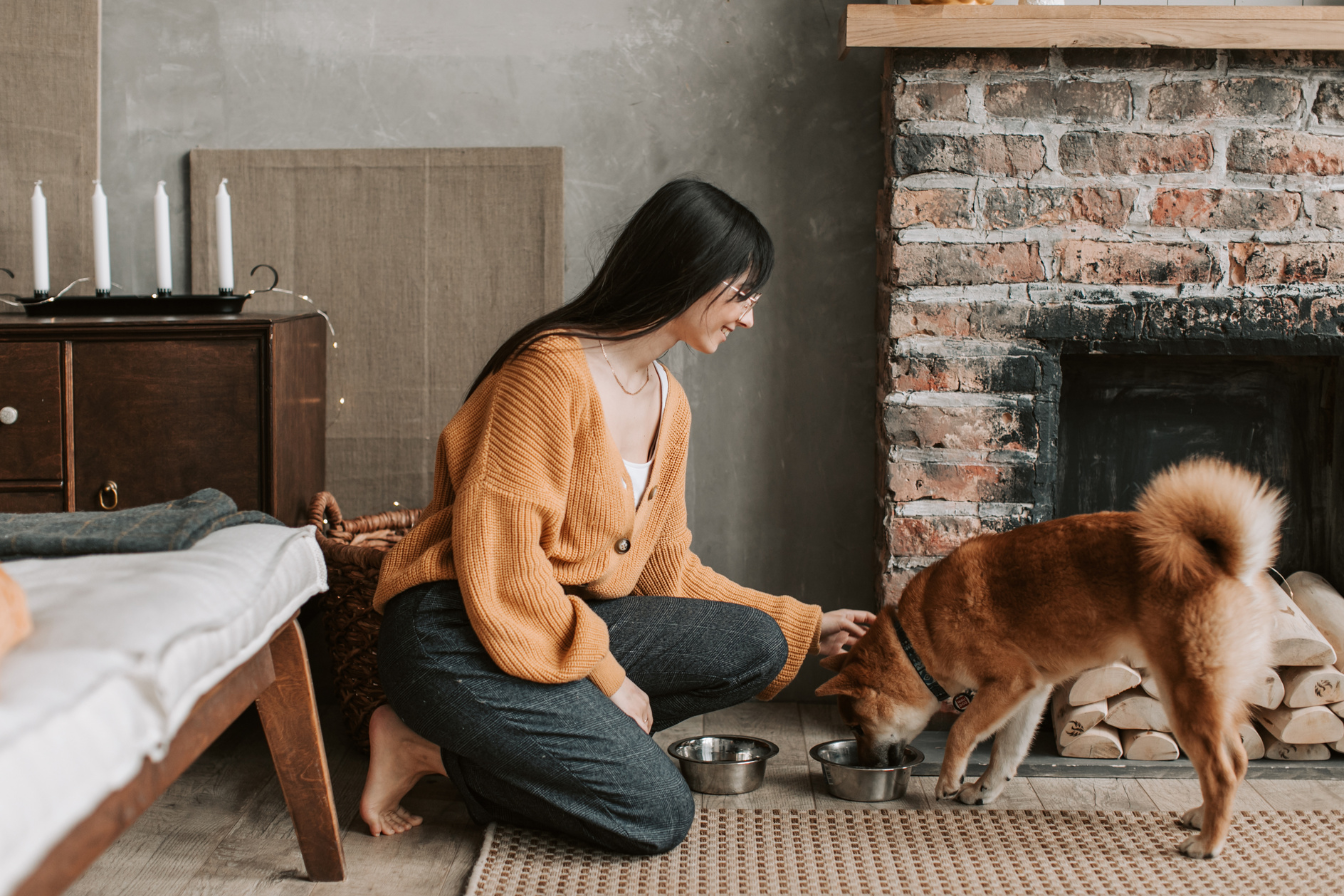
To help your dog respond to you the way they do in training sessions, focus on recreating some of the clarity of those sessions in everyday life.
That might look like:
Practicing in short, focused training sessions instead of only during real-life moments
Saying cues once, then calmly following through
Reinforcing behavior immediately and consistently
Practicing in gradually more distracting environments rather than expecting instant reliability everywhere
Becoming aware of patterns you may accidentally be reinforcing
Small adjustments in structure often create big improvements in reliability.
The Bottom Line
When someone says, “My dog is always good with you,” what they’re really noticing is the power of consistency.
It isn’t magic. It isn’t personality. And it isn’t simply about treats. It’s clear communication repeated in predictable ways.
The good news is that your dog doesn’t need a different trainer or a different dog parent. They already have the relationship with you.
With intentional practice and a little structure, that same reliability can absolutely become part of your everyday life together.
If you'd like help building that consistency at home, reach out, and we'd be happy to guide you through it.
Happy training!
